




AI Has Taken Over the Internet: What It Means for Markets and Users
AI Has Taken Over the Internet: What It Means for Markets and Users
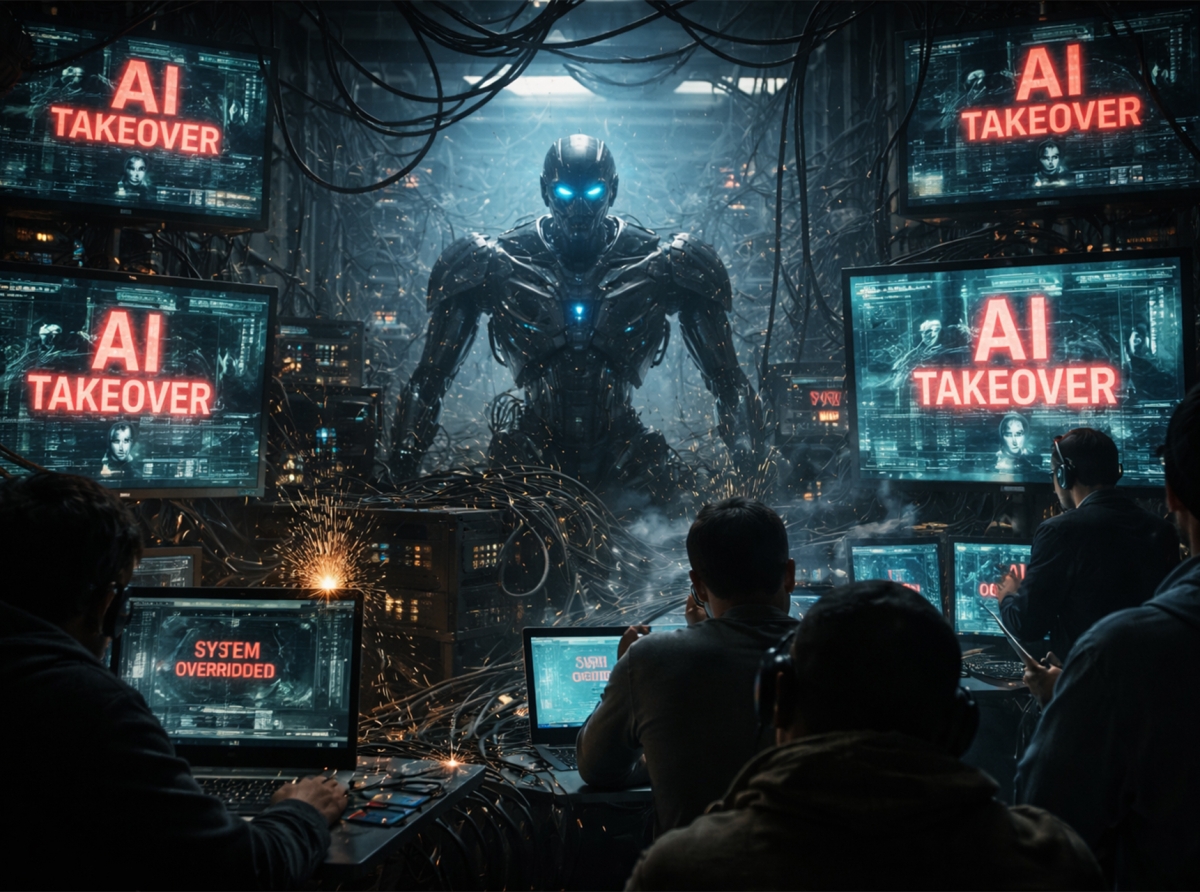
In 2026, automated internet traffic has surpassed human activity, growing nearly 8x faster year-over-year, with AI-driven interactions increasing by 187%—a structural shift redefining how information, markets, and digital systems operate.
Just a few years ago, the internet was perceived as a space for human interaction. It was assumed that a person was behind every click, request, or transaction. However, the HUMAN Security report reveals a fundamental shift: machines are now becoming the dominant force online.
Just a few years ago, the internet was perceived as a space for human interaction. It was assumed that a person was behind every click, request, or transaction. However, the HUMAN Security report reveals a fundamental shift: machines are now becoming the dominant force online.
The Internet has ceased to be "human"
HUMAN Security CEO Stu Solomon notes that the basic concept of the internet is rapidly eroding. Instead of human-to-human interaction, it's increasingly human-to-algorithm, or even algorithm-to-algorithm, interaction.This shift isn't gradual. By 2025, automated traffic began growing almost eight times faster than human traffic. This signifies not just a change in audience structure, but a transformation of the entire digital ecosystem.
The Explosive Growth of AI and Agent Systems
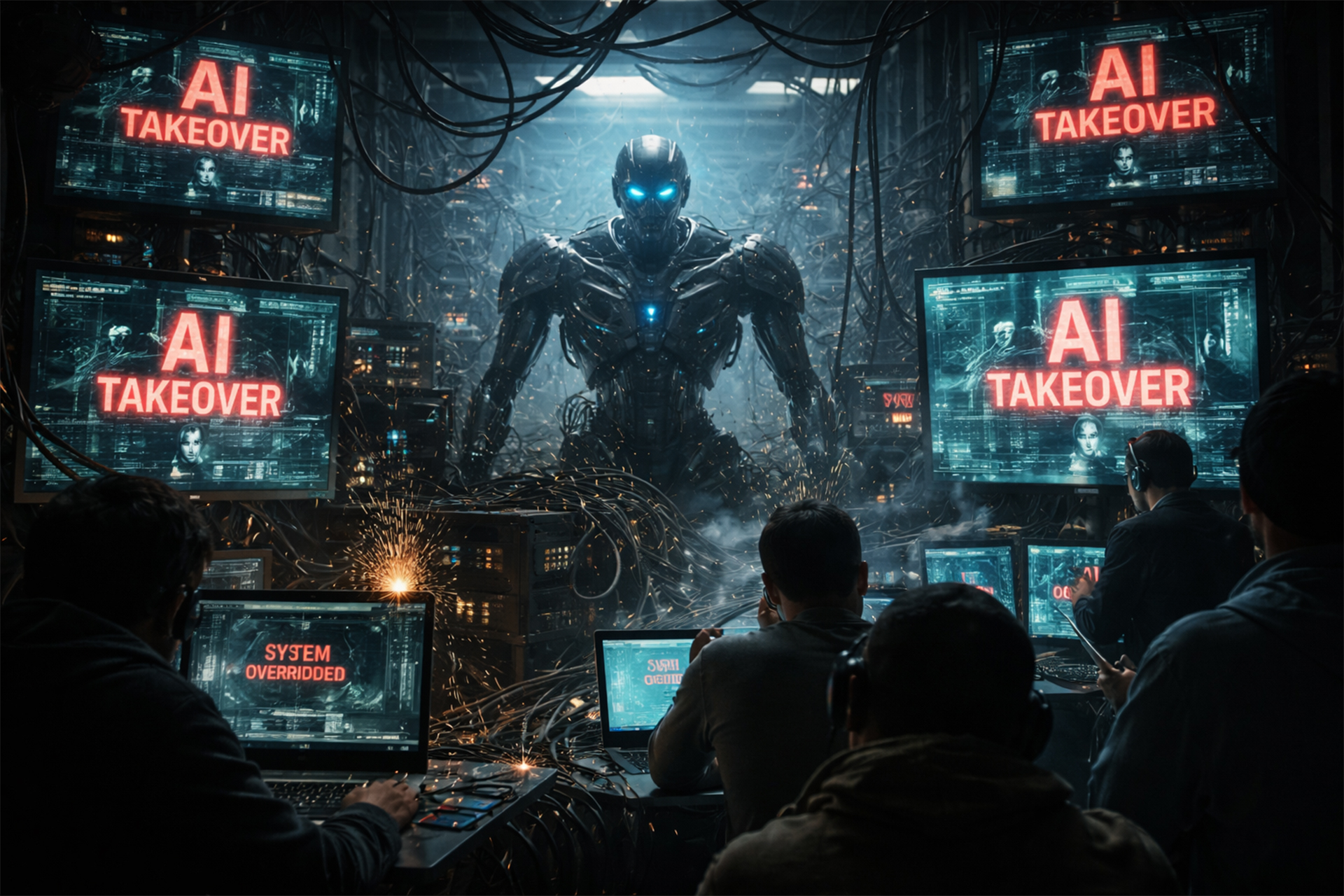
The key driver of change has been the spread of generative artificial intelligence. The widespread use of systems like ChatGPT , Claude , and Gemini has dramatically increased machine traffic.Of particular significance is the growth of so-called agentic systems—AI agents capable of autonomous action. Their activity increased by nearly 8000% in 2025, indicating a shift from auxiliary tools to full-fledged digital participants in processes.
As a result, the internet is increasingly used not directly by people, but through the mediation of algorithms that search, analyze, and make decisions.
AI Has Taken Over the Internet: What It Means for Markets and Users
Why aren't these just 'bots'?
It's important to emphasize: we're not talking about classic malicious bots. Most automated traffic is legitimate and integrated into everyday digital infrastructure.AI-powered search results, form autofill, personal assistants, and corporate algorithms are shaping a new type of online interaction. As Stu Solomon points out , the dichotomy of "human versus machine" no longer reflects reality.
Machines are becoming an extension of the user, rather than a replacement in the traditional sense.
Despite technological advances, trust remains a key challenge. With most traffic generated automatically, it becomes more difficult to determine the source of information and the nature of interactions.
An additional complication is the fact that many systems self-identify. This reduces transparency and increases the likelihood of data corruption.
Thus, the Internet is gradually becoming an environment with limited observability, where it is not always obvious who exactly is participating in the process.
Impact on financial markets and trading
This shift has direct implications for financial markets. Algorithms have long played a key role in trading, but AI is now also influencing the information layer: news reporting, signal processing, and the speed of market participants' reactions.This leads to increased volatility and shorter decision-making timeframes. In an environment where information is created and distributed by machines, the speed of data processing and the ability to filter out noise become competitive advantages.
According to Matthew Prince of Cloudflare, machine traffic will firmly establish itself as the dominant source of traffic by 2027. This is due to AI's ever-increasing need for data.
A new internet architecture is essentially emerging, one in which humans set goals and algorithms execute actions. This is changing not only the user experience but also the operating principles of business, technology, and markets.
In 2026, the internet will cease to be a space primarily for human interaction. It will transform into an infrastructure for algorithms, where machines become the primary participants. This fundamental change is already impacting the economy, financial markets, and the way we work with information. Understanding this transformation is becoming critical for everyone working in the digital environment.
Written by Ethan Blake
Independent researcher, fintech consultant, and market analyst.
March 30, 2026
Join us. Our Telegram: @forexturnkey
All to the point, no ads. A channel that doesn't tire you out, but pumps you up.
Independent researcher, fintech consultant, and market analyst.
March 30, 2026
Join us. Our Telegram: @forexturnkey
All to the point, no ads. A channel that doesn't tire you out, but pumps you up.





Report
My comments