




IRGC Blocks Strait of Hormuz: Economic Fallout from US-Israel Strikes on Iran
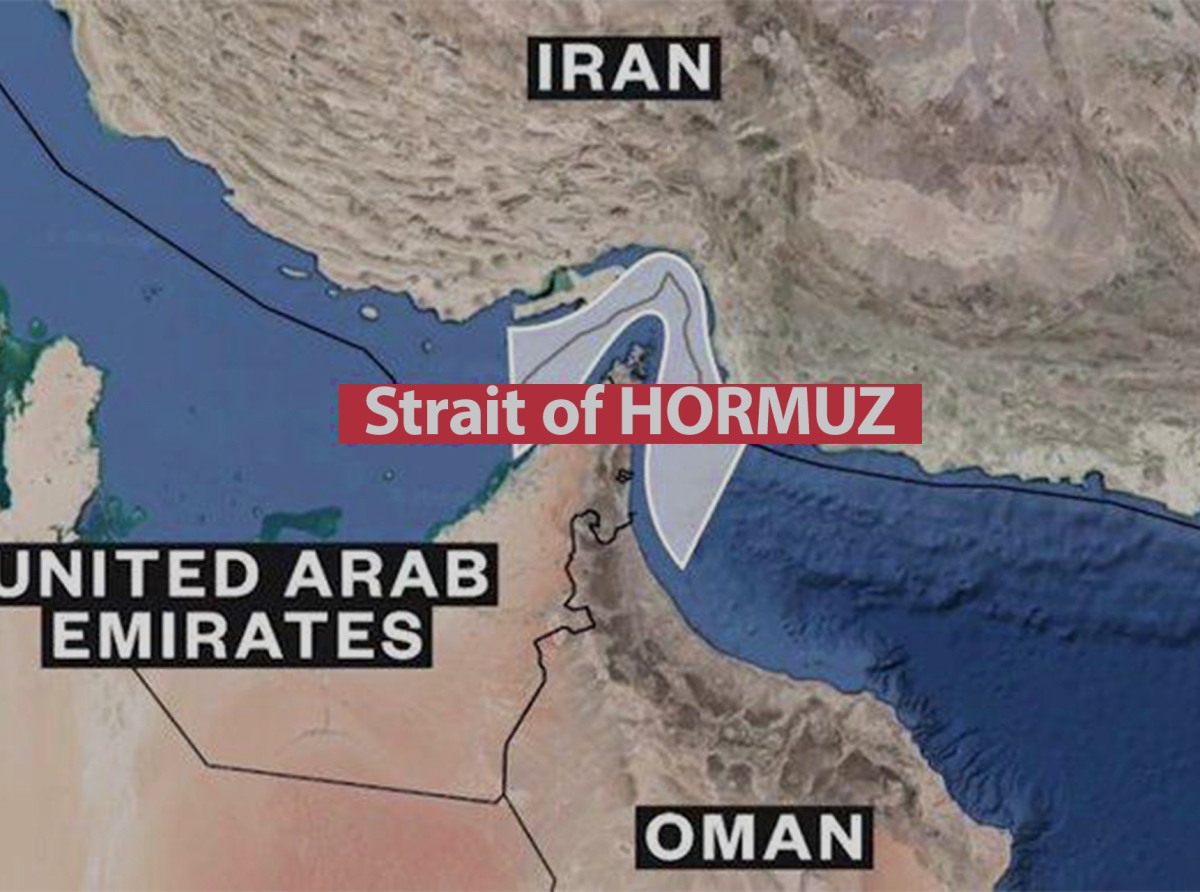
IRGC Blocks Strait of Hormuz: Economic Fallout from US-Israel Strikes on Iran
Corps of Guardians of the Islamic Revolution (IRGC) announced the blockade of the Strait of Hormuz on February 28, 2026, after US-Israel aggression, prohibiting all vessel passages as confirmed by IRGC General Ebrahim Jabari (Al-Mayadeen, Feb 28, Tehran).
IRGC radio warnings to ships declare "no passage permitted," trapping vessels inside the Gulf and isolating key ports (Reuters via EU ASPIDES, Feb 28).
This disrupts vital oil and gas flows, spiking global energy costs and fueling forex market turbulence with USD safe-haven bids dominating currency trading.
IRGC radio warnings to ships declare "no passage permitted," trapping vessels inside the Gulf and isolating key ports (Reuters via EU ASPIDES, Feb 28).
This disrupts vital oil and gas flows, spiking global energy costs and fueling forex market turbulence with USD safe-haven bids dominating currency trading.
IRGC's Bold Blockade Response
IRGC forces now enforce the closure following strikes on Iranian sites including Tehran, with Jabari stating "IRGC currently blocks the Strait after aggression against Iran".Al Jazeera reports the order halts crossings entirely, corroborated by UKMTO and EU missions—no official Tehran statement yet, but naval actions speak volumes.
In the Persian Gulf, ships receive direct prohibitions, echoing IRGC's asymmetric warfare playbook amid escalating US-Israel operations.
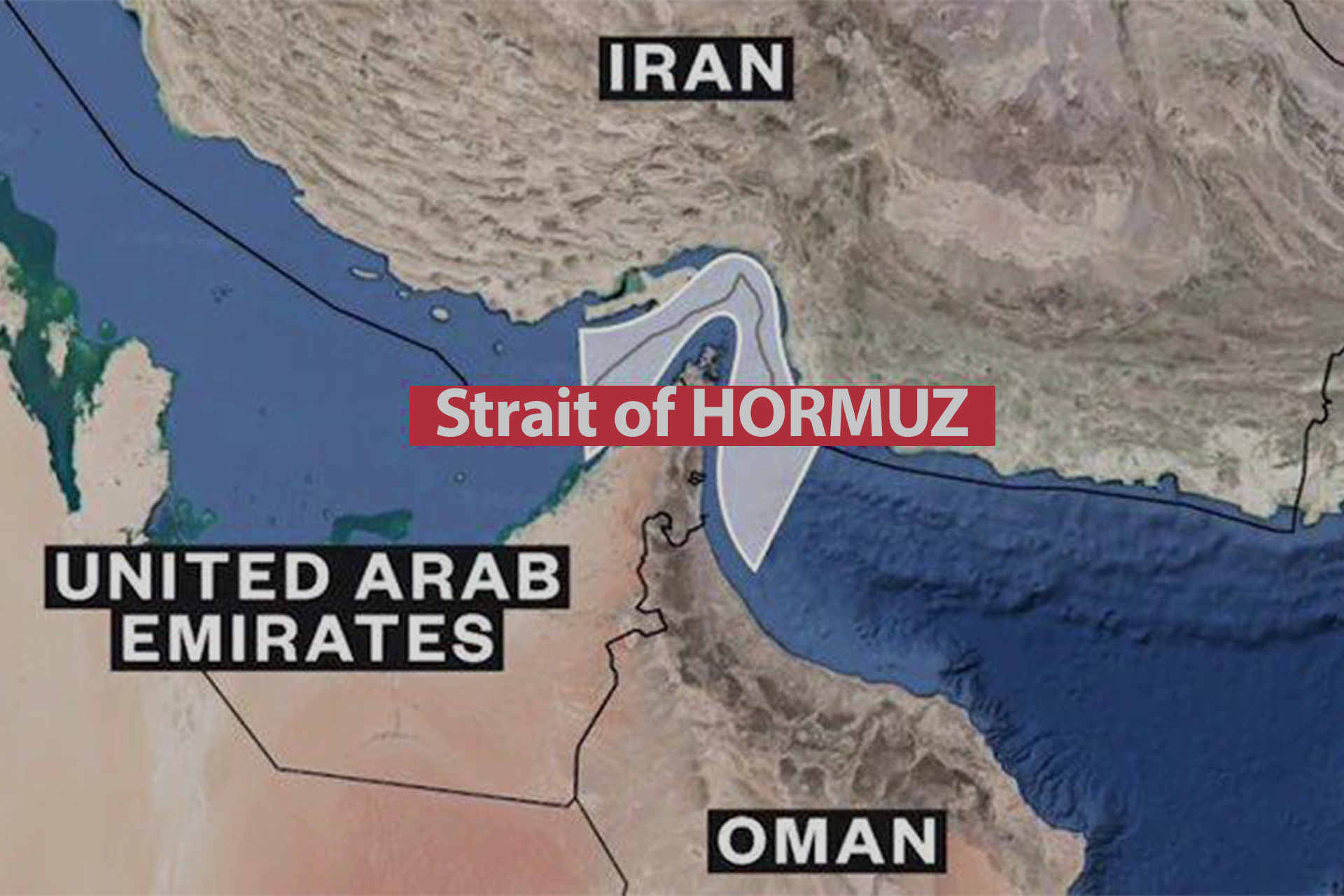
IRGC Blocks Strait of Hormuz: Economic Fallout from US-Israel Strikes on Iran
This chokepoint's seal-off severs Gulf exporters from world markets, compelling immediate diversions and exposing supply chain frailties. Forex traders note parallels to past threats, where even hints triggered risk-off shifts in the FX market.
EU shippers face compounded vulnerabilities, Asia's export engines like China confront logistics snarls, while US importers brace for shelf shortages. Emerging markets, heavy on Gulf imports, absorb higher transport costs that erode trade balances and pressure local currencies in foreign exchange arenas.
Shipping Paralysis Grips Global Trade
Container giants like Maersk, CMA CGM, and Hapag-Lloyd suspend Hormuz transits, rerouting via Cape of Good Hope and adding weeks to voyages—Jebel Ali port grinds to a halt with inbound ships barred. Red Sea woes compound the crisis, forcing dual-front avoidance that inflates freight rates and delays consumer goods from Asia to Europe and US coasts.EU shippers face compounded vulnerabilities, Asia's export engines like China confront logistics snarls, while US importers brace for shelf shortages. Emerging markets, heavy on Gulf imports, absorb higher transport costs that erode trade balances and pressure local currencies in foreign exchange arenas.
Economic Shockwaves from Energy Choke
Over $500bn in annual oil/gas transits Hormuz, per Al Jazeera—blockage elevates fuel, manufacturing costs, hitting households and factories worldwide. Europe, LNG-dependent on Qatar routes, risks renewed inflation; Asia's China, India, South Korea suffer major blows to growth engines.
Forex implications profound: energy price surges bolster USD, erode commodity currencies, amplify volatility across majors.
Oil infrastructure hits could push extremes —unpredictable war dynamics demand agility. "No net benefit for Iran long-term," but short-term chaos favors prepared FX players.
Economic scars linger: inflation pass-throughs, delayed investments, growth drags—yet opportunities abound for strategic forex positioning in currency trading's volatile new reality.
Economic scars linger: inflation pass-throughs, delayed investments, growth drags—yet opportunities abound for strategic forex positioning in currency trading's volatile new reality.
By Jake Sullivan
February 28, 2026
Join us. Our Telegram: @forexturnkey
All to the point, no ads. A channel that doesn't tire you out, but pumps you up.
February 28, 2026
Join us. Our Telegram: @forexturnkey
All to the point, no ads. A channel that doesn't tire you out, but pumps you up.




Report
My comments