Full analysis is selected. Choose Quick brief to scan the key points first.
WFN QUICK BRIEF · UNDER 1 MIN
The short version
MODE 2 OF 2
What the primary record establishes
The ECB publishes reference exchange rates for information purposes and strongly discourages their use for transactions. That distinction matters when a report translates a foreign-currency payout: a reference conversion does not prove the customer could execute at that price. ECB — Euro foreign exchange reference rates ↗
What the distinction changes
The initial outlay is EUR 50. The later USD 60 converts to EUR 40 at the assumed second rate. The dollar result is positive USD 10, but the two euro cash flows produce a EUR 10 loss before charges. Both calculations can be correct because they use different units.
What to check before drawing a conclusion
Record the actual entry debit, settlement receipt, conversion rates and fees with their timestamps. Check whether the account held dollars throughout or converted at each stage; those are different economic paths. Include any separate hedge only if it actually existed.
Quick Brief is a reading aid. The full article and source trail stay on this page.
WFN STORY COMPASS
Choose your reading angle
Move between the reported record, market context and open questions. Status labels keep claims distinct from findings.
All context layers are visible. Choose a lens to jump to that part of the story.
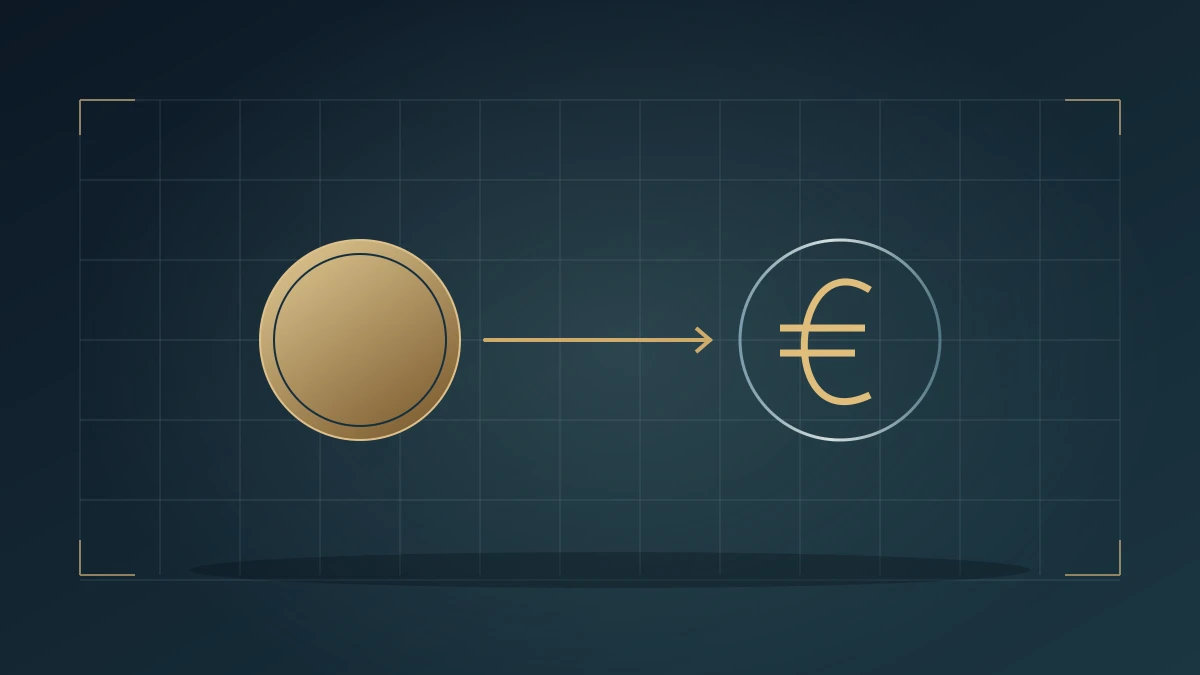
Original WFN vector illustrationWFN · 18 October 2026
Editorial noteSource-based explanation with original WFN analysis. Historical records retain their dates; numerical examples are illustrative. The original vector illustration is conceptual and is not documentary evidence.
WFN REALITY LEDGER
What is on the record?
Primary-source explainer
Primary-source explainer
Primary record / reference periodECB reference-rate purpose; WFN hypothetical two-date currency-conversion example
The linked source supports the documented record; WFN interpretation and illustrative examples are separate.
Contract return and account-currency return use different cash flows. Conversion at entry and at receipt can reverse the sign of a nominal gain.
01 · VERIFIED RECORD
What the primary record establishes
The ECB publishes reference exchange rates for information purposes and strongly discourages their use for transactions. That distinction matters when a report translates a foreign-currency payout: a reference conversion does not prove the customer could execute at that price. ECB — Euro foreign exchange reference rates ↗
WFN’s example assumes a cash-settled contract bought for USD 50 when one euro buys one dollar, followed by a USD 60 receipt when one euro buys USD 1.50. These deliberately hypothetical rates are not ECB observations or available market quotes.
02 · WFN EDITORIAL ANALYSIS
What the distinction changes
The initial outlay is EUR 50. The later USD 60 converts to EUR 40 at the assumed second rate. The dollar result is positive USD 10, but the two euro cash flows produce a EUR 10 loss before charges. Both calculations can be correct because they use different units.
Comparing a 20% dollar gain with a euro account statement without reconciling the conversions can therefore misclassify the result. A platform’s display currency, contract currency and actual funding currency need not be the same field.
03 · REVIEW POINTS
What to check before drawing a conclusion
Record the actual entry debit, settlement receipt, conversion rates and fees with their timestamps. Check whether the account held dollars throughout or converted at each stage; those are different economic paths. Include any separate hedge only if it actually existed.
The example isolates currency translation and does not estimate the chance of winning a binary contract. WFN’s inference is that a performance claim should name its currency and cash-flow convention. A favourable contract outcome alone does not prove positive account-currency wealth change.