Best execution under FINRA 5310 requires evidence about the available market
The US member-firm rule links execution quality to reasonable diligence and prevailing conditions. A routing label alone cannot reconstruct the decision.
Full analysis selected. Choose Quick brief to read the key points first.
WFN QUICK BRIEF · UNDER 1 MIN
The short version
MODE 2 OF 2
What the primary record establishes
FINRA Rule 5310 requires reasonable diligence to identify the best market for a customer’s security transaction. Its factors include market character, transaction size and type, markets checked, quotation accessibility and the order’s terms. FINRA Rule 5310 — Best Execution and Interpositioning ↗
What the distinction changes
WFN’s practical interpretation is that execution review needs context. A displayed price, an advertised venue count or a low commission does not on its own show the conditions under which a particular order was handled.
What to check before drawing a conclusion
Keep order terms, timestamps, accessible prices and routing evidence together. If a review compares outcomes, use a documented observation point and identify which markets were actually available.
Quick Brief is a reading aid. The full article and source trail stay on this page.
WFN STORY COMPASS
Choose your reading angle
Switch between the reported record, market context and open questions. Status labels distinguish claims from findings.
All context layers are visible. Choose a lens to jump to that part of the story.
Original WFN vector illustrationWFN · 22 October 2026
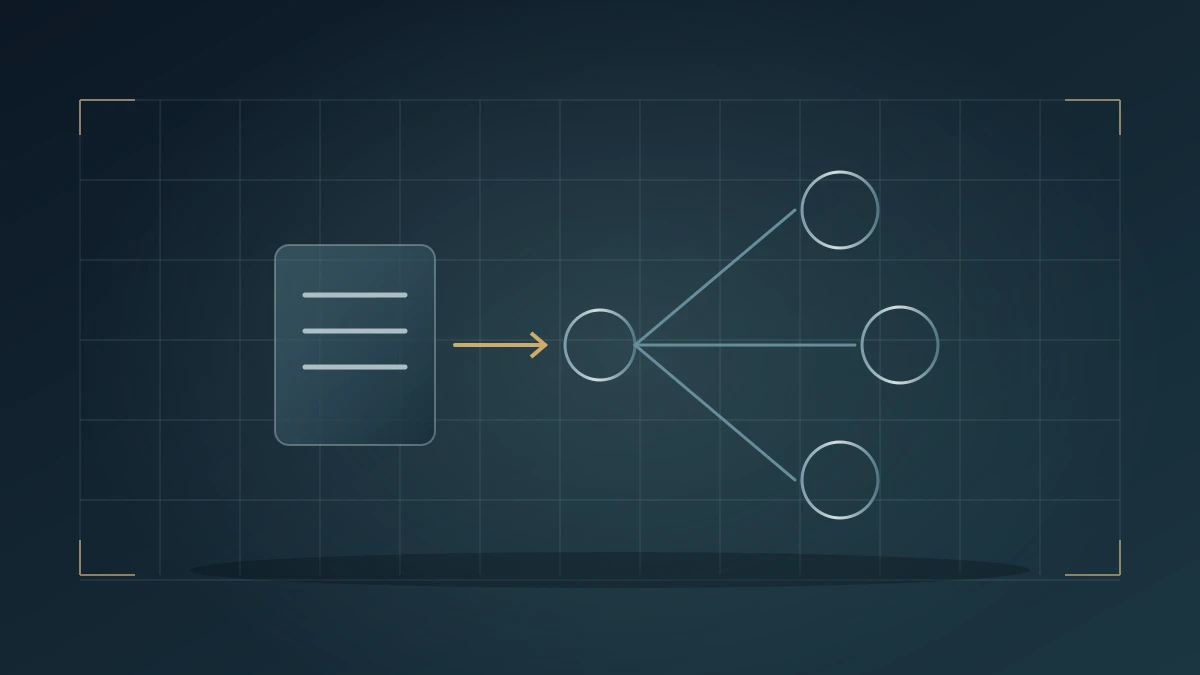
Editorial noteSource-based explanation with original WFN analysis. Historical records retain their dates; numerical examples are illustrative. The original vector illustration is conceptual and is not documentary evidence.
WFN REALITY LEDGER
What is on the record?
Primary-source explainer
Primary-source explainer
Primary record / reference periodCurrent FINRA rule checked 22 October 2026; US member-firm scope
The linked source supports the documented record; WFN interpretation and illustrative examples are separate.
The US member-firm rule links execution quality to reasonable diligence and prevailing conditions. A routing label alone cannot reconstruct the decision.
01 · VERIFIED RECORD
What the primary record establishes
FINRA Rule 5310 requires reasonable diligence to identify the best market for a customer’s security transaction. Its factors include market character, transaction size and type, markets checked, quotation accessibility and the order’s terms. FINRA Rule 5310 — Best Execution and Interpositioning ↗
The rule applies to principal as well as agency transactions. It also distinguishes best-execution obligations from the separate question of reasonable commissions, markups and markdowns. Its scope is FINRA members and associated persons, not a universal licence rule for every platform. FINRA Rule 5310 — Best Execution and Interpositioning ↗
02 · WFN EDITORIAL ANALYSIS
What the distinction changes
WFN’s practical interpretation is that execution review needs context. A displayed price, an advertised venue count or a low commission does not on its own show the conditions under which a particular order was handled.
Order size, available liquidity and instructions can change the relevant comparison. A tiny quotation cannot automatically be treated as an executable benchmark for a much larger order.
03 · REVIEW POINTS
What to check before drawing a conclusion
Keep order terms, timestamps, accessible prices and routing evidence together. If a review compares outcomes, use a documented observation point and identify which markets were actually available.
This article explains the rule’s framework without judging an individual broker. A defensible case assessment needs the transaction record and the applicable obligations; neither a marketing claim nor one isolated favourable fill establishes a firm-wide conclusion.