Full analysis selected. Choose Quick brief to read the key points first.
WFN QUICK BRIEF · UNDER 1 MIN
The short version
MODE 2 OF 2
What the primary record establishes
The FIX Trading Community specification describes ExecutionReport messages with ExecType H for Trade Cancel and G for Trade Correct. ExecRefID identifies the previously reported execution being cancelled or corrected. A new trade is reported with ExecType F. FIX Trading Community — Business Area: Trade, execution cancel/correct ↗
What the distinction changes
The business event is therefore different from asking a broker to stop the remaining unfilled quantity. An order-cancel acknowledgement does not itself erase past fills; a trade-cancel report addresses an execution already reported.
What to check before drawing a conclusion
WFN would retain original reports and the correction chain instead of overwriting the audit history. Test repeated corrections and replay handling against the counterparty’s agreed FIX version and implementation guide.
Quick Brief is a reading aid. The full article and source trail stay on this page.
WFN STORY COMPASS
Choose your reading angle
Switch between the reported record, market context and open questions. Status labels distinguish claims from findings.
All context layers are visible. Choose a lens to jump to that part of the story.
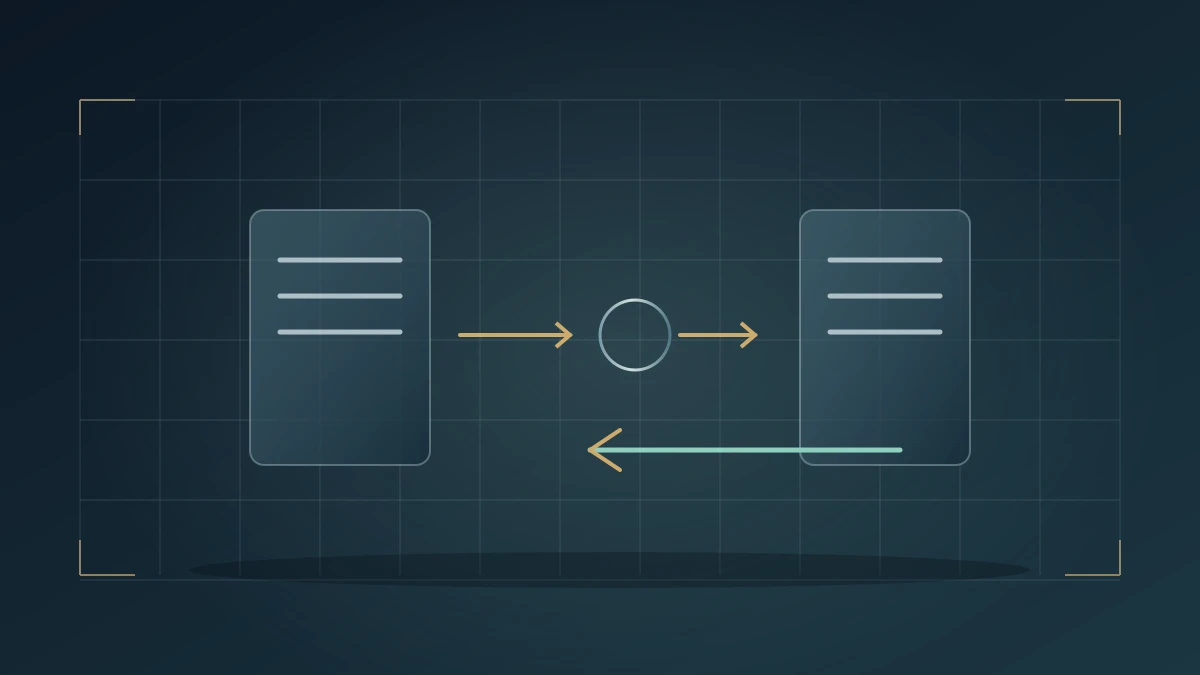
Original WFN vector illustrationWFN · 23 October 2026
Editorial noteSource-based explanation with original WFN analysis. Historical records retain their dates; numerical examples are illustrative. The original vector illustration is conceptual and is not documentary evidence.
WFN REALITY LEDGER
What is on the record?
Primary-source explainer
Primary-source explainer
Primary record / reference periodFIX Trading Community execution-report semantics checked 23 October 2026
The linked source supports the documented record; WFN interpretation and illustrative examples are separate.
Trade Cancel and Trade Correct operate at execution level. Confusing them with an order-cancel request can distort positions and fill history.
01 · VERIFIED RECORD
What the primary record establishes
The FIX Trading Community specification describes ExecutionReport messages with ExecType H for Trade Cancel and G for Trade Correct. ExecRefID identifies the previously reported execution being cancelled or corrected. A new trade is reported with ExecType F. FIX Trading Community — Business Area: Trade, execution cancel/correct ↗
For repeated corrections, the reference should identify the last corrected execution report. The specification also says CumQty, LeavesQty and AvgPx describe the order at correction time, rather than its state when the original execution was reported. FIX Trading Community — Business Area: Trade, execution cancel/correct ↗
02 · WFN EDITORIAL ANALYSIS
What the distinction changes
The business event is therefore different from asking a broker to stop the remaining unfilled quantity. An order-cancel acknowledgement does not itself erase past fills; a trade-cancel report addresses an execution already reported.
For a position ledger, losing that distinction can leave a cancelled execution counted as live exposure or treat a correction as an additional independent fill. The message must be interpreted together with its execution reference.
03 · REVIEW POINTS
What to check before drawing a conclusion
WFN would retain original reports and the correction chain instead of overwriting the audit history. Test repeated corrections and replay handling against the counterparty’s agreed FIX version and implementation guide.
The cited semantics explain message meaning, not the commercial reason or legal validity of a particular trade bust. Those require separate evidence from the venue or counterparty. A human-readable “cancelled” label alone is insufficient for reconciliation.