RBNZ’s 2027 calendar moves to eight scheduled OCR decisions
The published schedule increases decision frequency and places the first 2027 announcement on 10 February. A calendar entry does not disclose the rate outcome.
Full analysis selected. Choose Quick brief to read the key points first.
WFN QUICK BRIEF · UNDER 1 MIN
The short version
MODE 2 OF 2
What the primary record establishes
The Reserve Bank of New Zealand says scheduled Official Cash Rate decisions increase from seven to eight a year from 2027. Its calendar lists 10 February, 17 March, 5 May, 16 June, 4 August, 15 September, 27 October and 8 December for that year. RBNZ — OCR decision dates and Financial Stability Report dates to February 2028 ↗
What the distinction changes
More scheduled decisions alter the spacing of known communication windows. They do not imply more rate increases or cuts. Frequency and policy direction are separate dimensions.
What to check before drawing a conclusion
For NZD monitoring, check the bank’s current calendar before converting a release into another time zone. The listed February date is 10 February; carrying forward an older annual pattern is not a substitute for the published schedule.
Quick Brief is a reading aid. The full article and source trail stay on this page.
WFN STORY COMPASS
Choose your reading angle
Switch between the reported record, market context and open questions. Status labels distinguish claims from findings.
All context layers are visible. Choose a lens to jump to that part of the story.
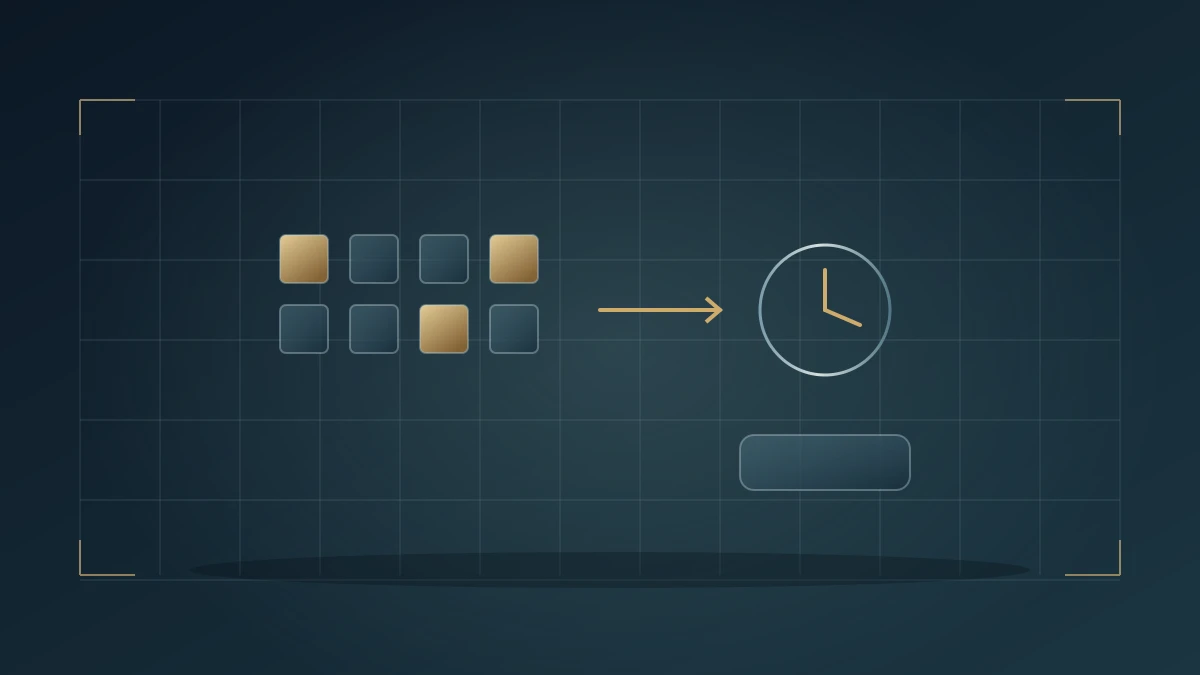
Original WFN vector illustrationWFN · 23 October 2026
Editorial noteSource-based explanation with original WFN analysis. Historical records retain their dates; numerical examples are illustrative. The original vector illustration is conceptual and is not documentary evidence.
WFN REALITY LEDGER
What is on the record?
Primary-source explainer
Primary-source explainer
Primary record / reference periodRBNZ published decision calendar, checked 23 October 2026; future 2027 schedule
The linked source supports the documented record; WFN interpretation and illustrative examples are separate.
The published schedule increases decision frequency and places the first 2027 announcement on 10 February. A calendar entry does not disclose the rate outcome.
01 · VERIFIED RECORD
What the primary record establishes
The Reserve Bank of New Zealand says scheduled Official Cash Rate decisions increase from seven to eight a year from 2027. Its calendar lists 10 February, 17 March, 5 May, 16 June, 4 August, 15 September, 27 October and 8 December for that year. RBNZ — OCR decision dates and Financial Stability Report dates to February 2028 ↗
More scheduled decisions alter the spacing of known communication windows. They do not imply more rate increases or cuts. Frequency and policy direction are separate dimensions.
A calendar system should therefore store announcement and implementation as distinct events. Treating the publication date as the effective date can misstate when a change applies even if the OCR number itself is transcribed correctly.
03 · REVIEW POINTS
What to check before drawing a conclusion
For NZD monitoring, check the bank’s current calendar before converting a release into another time zone. The listed February date is 10 February; carrying forward an older annual pattern is not a substitute for the published schedule.
WFN classifies these dates as future scheduled events. They do not establish the eventual decisions, a guaranteed announcement sequence or a currency-price response. Changes to the timetable should be versioned separately from policy outcomes.