




How to Control Impulsive Trading: Managing Emotions in Forex
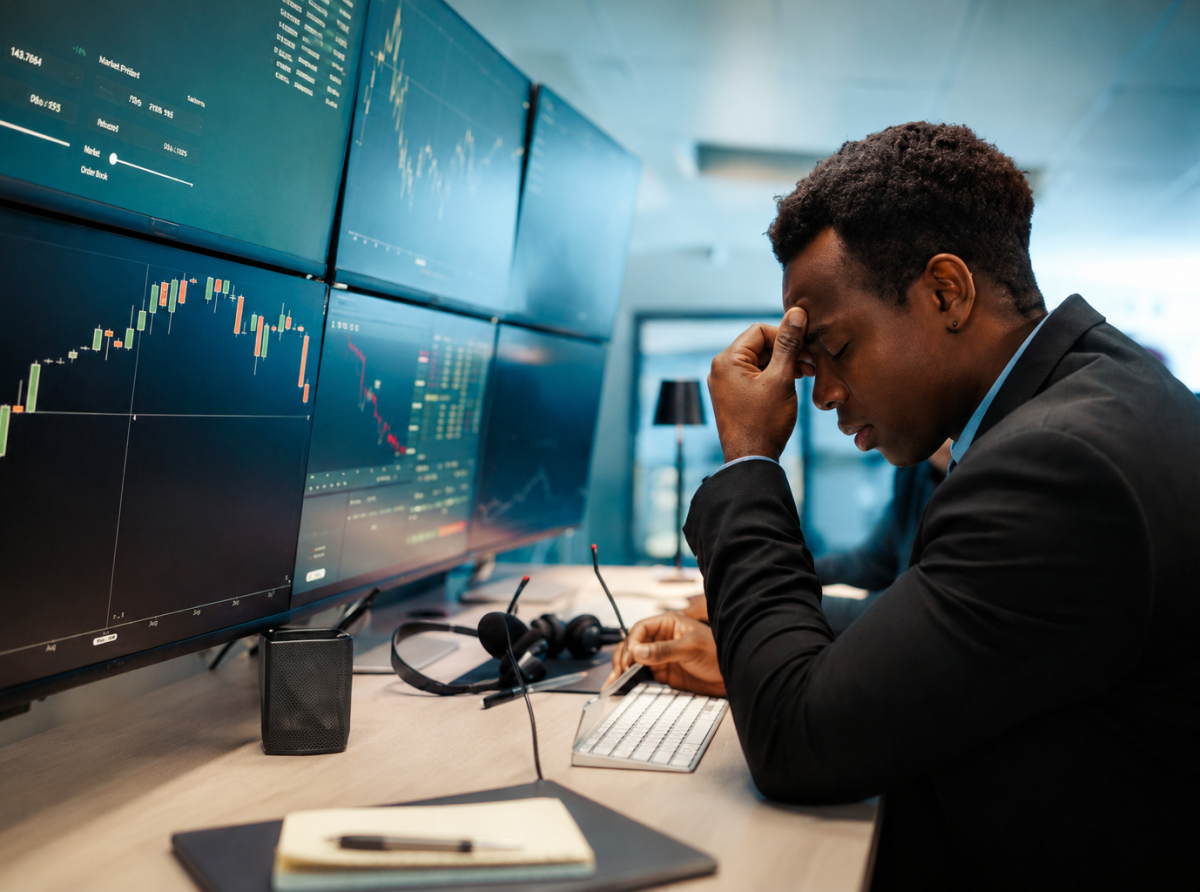
How to Control Impulsive Trading: Managing Emotions in Forex
Impulsive trading in Forex occurs when emotions override strategy. Fear of missing out, revenge trading, and overconfidence frequently lead to poor decisions and unnecessary losses. Effective emotional management, strict risk controls, and adherence to predefined rules can help traders improve consistency and reduce costly mistakes. In practice, psychological discipline often matters more than market forecasts.
Impulsive trading remains one of the biggest reasons why retail traders struggle to achieve consistent results in Forex. Emotional decisions driven by fear, greed, frustration, or overconfidence often lead to abandoning trading plans and taking unnecessary risks. Learning how to control impulsive trading requires more than technical analysis. It demands discipline, emotional awareness, and a structured approach to risk management. Successful traders understand that markets are unpredictable, but their own behaviour can be managed.
Financial markets have always attracted people seeking certainty. The irony, of course, is that markets offer very little of it.
Currencies move because central banks change policy, geopolitical risks emerge unexpectedly, or investors simply revise their assumptions. Traders accept these uncertainties in theory. In practice, many attempt to fight them emotionally.
That rarely ends well. The Forex market does not punish ignorance as quickly as it punishes impatience. A trader may survive several analytical mistakes. Emotional mistakes, however, tend to compound.
Financial markets have always attracted people seeking certainty. The irony, of course, is that markets offer very little of it.
Currencies move because central banks change policy, geopolitical risks emerge unexpectedly, or investors simply revise their assumptions. Traders accept these uncertainties in theory. In practice, many attempt to fight them emotionally.
That rarely ends well. The Forex market does not punish ignorance as quickly as it punishes impatience. A trader may survive several analytical mistakes. Emotional mistakes, however, tend to compound.
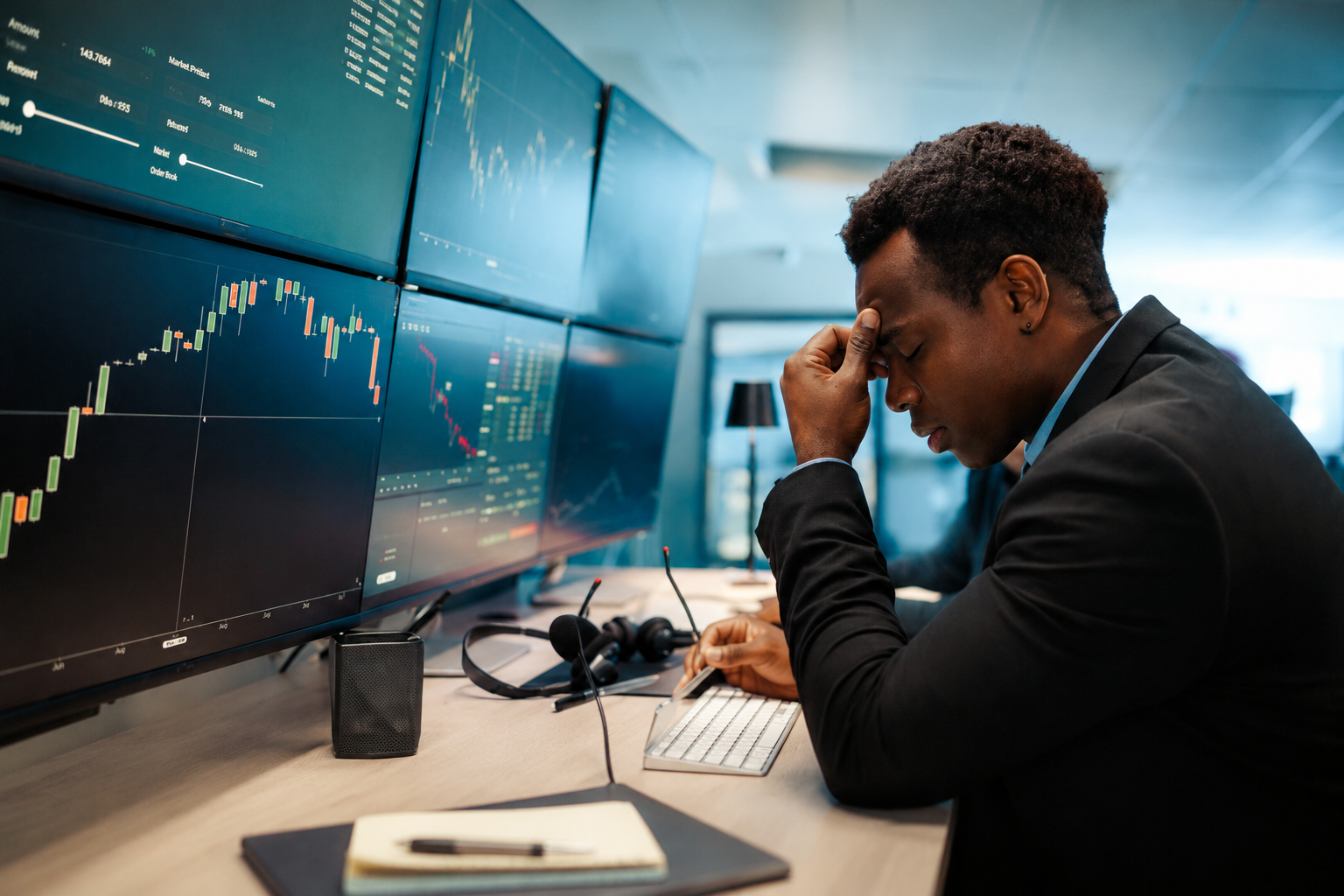
How to Control Impulsive Trading: Managing Emotions in Forex
Why Impulsive Trading Happens
Most impulsive trades have little to do with charts.Fear of missing out causes traders to enter positions too late. Greed encourages them to increase exposure after a winning streak. Losses often trigger revenge trading, as market participants attempt to recover money quickly rather than rationally.
Ironically, success itself can become dangerous.
A series of profitable trades often creates the illusion of control. Confidence turns into overconfidence. Risk management becomes optional. Markets have a habit of correcting such assumptions with remarkable efficiency.
From a trader's desk, the pattern is familiar. A disciplined week produces steady gains. One emotional decision erases them in a matter of hours.
The market rarely destroys accounts overnight. More often, emotions do.
Why the Brain Is a Poor Trading Tool
Human psychology evolved to respond to immediate threats, not to fluctuations in EUR/USD or GBP/USD.Fear encourages action. Uncertainty creates discomfort. Losses feel psychologically stronger than gains. These instincts helped human survival. In trading, they frequently become liabilities. Professional traders understand this paradox.
Their objective is not to eliminate emotions entirely. Such an ambition is unrealistic. Instead, they construct systems that prevent emotions from controlling decisions.
Discipline, rather than confidence, becomes the foundation of performance.
Creating Rules Before Entering a Trade
The best decisions are usually made before a position exists.Professional traders often determine entry levels, stop losses, risk exposure, and profit targets in advance. Once the trade is active, emotions inevitably become involved. Rules serve as protection against emotional improvisation.
Structured principles that help reduce impulsive trading include:
Defining maximum acceptable risk before entry.
Using stop-loss orders consistently.
Avoiding position size increases after losses.
Taking breaks after emotionally stressful sessions.
Following predetermined trading plans.
These principles may sound mundane. Markets, however, tend to reward routine more generously than excitement.
Revenge Trading: The Most Expensive Emotion
Losses create a powerful desire for immediate redemption.Many traders increase their position sizes after suffering losses, hoping to recover quickly. The logic appears understandable. The consequences often prove expensive.
Revenge trading transforms a manageable setback into a larger problem.
A London-based currency trader once remarked that his worst decisions never occurred after losing money. They occurred after becoming angry about losing money. The distinction matters.
Markets do not know who deserves revenge. Nor do they care.
Why Risk Management Is Emotional Management
Risk management is often presented as mathematics. In reality, it is psychology disguised as arithmetic.Smaller positions reduce emotional pressure. Reasonable expectations reduce frustration. Diversification reduces anxiety.
In practice, many retail traders search endlessly for better indicators while neglecting emotional stability.
This approach resembles changing the speedometer while ignoring the brakes.
Successful traders tend to reverse these priorities. Their first question is not how much they can make. It is how much they are prepared to lose.
That difference separates speculation from professional behaviour.
Accepting Uncertainty Improves Performance
Many impulsive decisions stem from the belief that markets should behave predictably. They do not.Even the strongest setups fail. Unexpected news appears. Trends reverse. Central banks surprise investors.
Accepting uncertainty does not weaken a trader. It reduces emotional conflict.
A trader who expects occasional losses rarely panics when they occur. One who expects certainty often reacts emotionally.
Paradoxically, accepting imperfect outcomes usually leads to better results.
Building Emotional Discipline Over Time
Emotional control is not achieved through motivation. It develops through repetition.Consistent routines matter. Trading journals matter. Adequate sleep matters. Breaks matter.
From an analytical perspective, many retail traders overestimate the importance of finding the perfect strategy and underestimate the importance of managing themselves.
The market offers endless opportunities. Psychological capital is finite.
Protecting it is every bit as important as protecting financial capital.
Outlook for Long-Term Forex Success
Technology continues to transform the Forex market. Artificial intelligence, algorithmic systems, and advanced analytics are becoming increasingly sophisticated.Human emotions, however, remain remarkably unchanged.
My analytical view is that psychological discipline will become an even greater competitive advantage in the coming years. Information is abundant. Emotional control remains scarce. In markets, intelligence matters. But temperament matters more.
Controlling impulsive trading is less about suppressing emotions and more about preventing them from dictating decisions. Forex traders who combine discipline, risk management, and realistic expectations place themselves in a stronger position to achieve consistency. Markets will always remain uncertain. Human behaviour, fortunately, can be improved.
By Jake Sullivan
June 19, 2026
Join us. Our Telegram: @forexturnkey
All to the point, no ads. A channel that doesn't tire you out, but pumps you up.
June 19, 2026
Join us. Our Telegram: @forexturnkey
All to the point, no ads. A channel that doesn't tire you out, but pumps you up.





Report
My comments