




Oil Jumps 4% After Vance Says Iran Ignored U.S. Red Lines, Military Option Remains
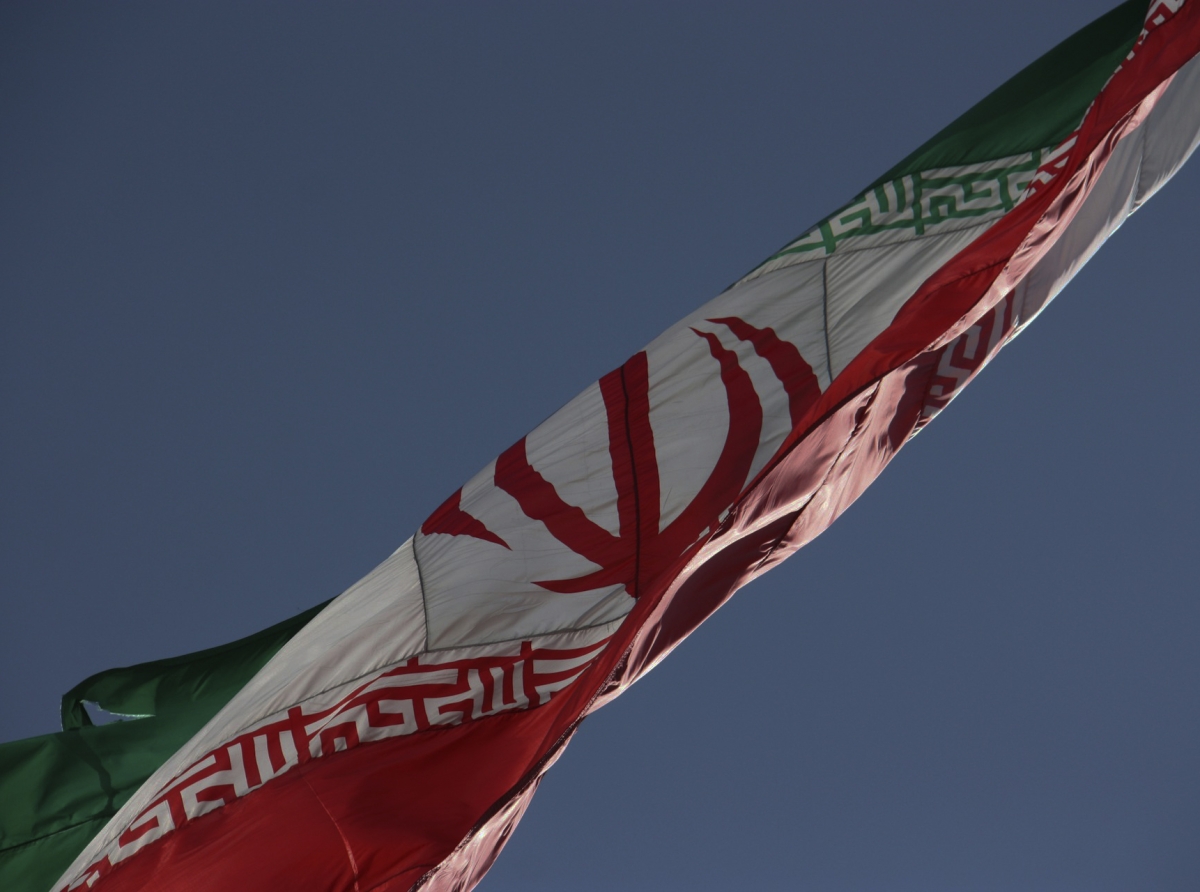
Oil Jumps 4% After Vance Says Iran Ignored U.S. Red Lines, Military Option Remains
Oil surged over 4% after Vice President J.D. Vance said Iran failed to meet U.S. red lines in nuclear talks and warned that military action remains possible. Rising tensions and naval deployments in the Middle East increased fears of supply disruption through the Strait of Hormuz, a critical global oil transit route.
Why Did Oil Prices Spike?
Oil prices climbed sharply after U.S. Vice President J. D. Vance stated that Iran failed to address key U.S. demands during nuclear negotiations in Geneva, adding that President Donald Trump retains the option of military force if diplomacy collapses.U.S. crude rose $2.86, or 4.59%, to close at $65.19 per barrel.
Global benchmark Brent crude gained $2.93, or 4.35%, to settle at $70.35 per barrel.
The move reversed prior losses, as markets reassessed geopolitical risk following renewed escalation rhetoric.
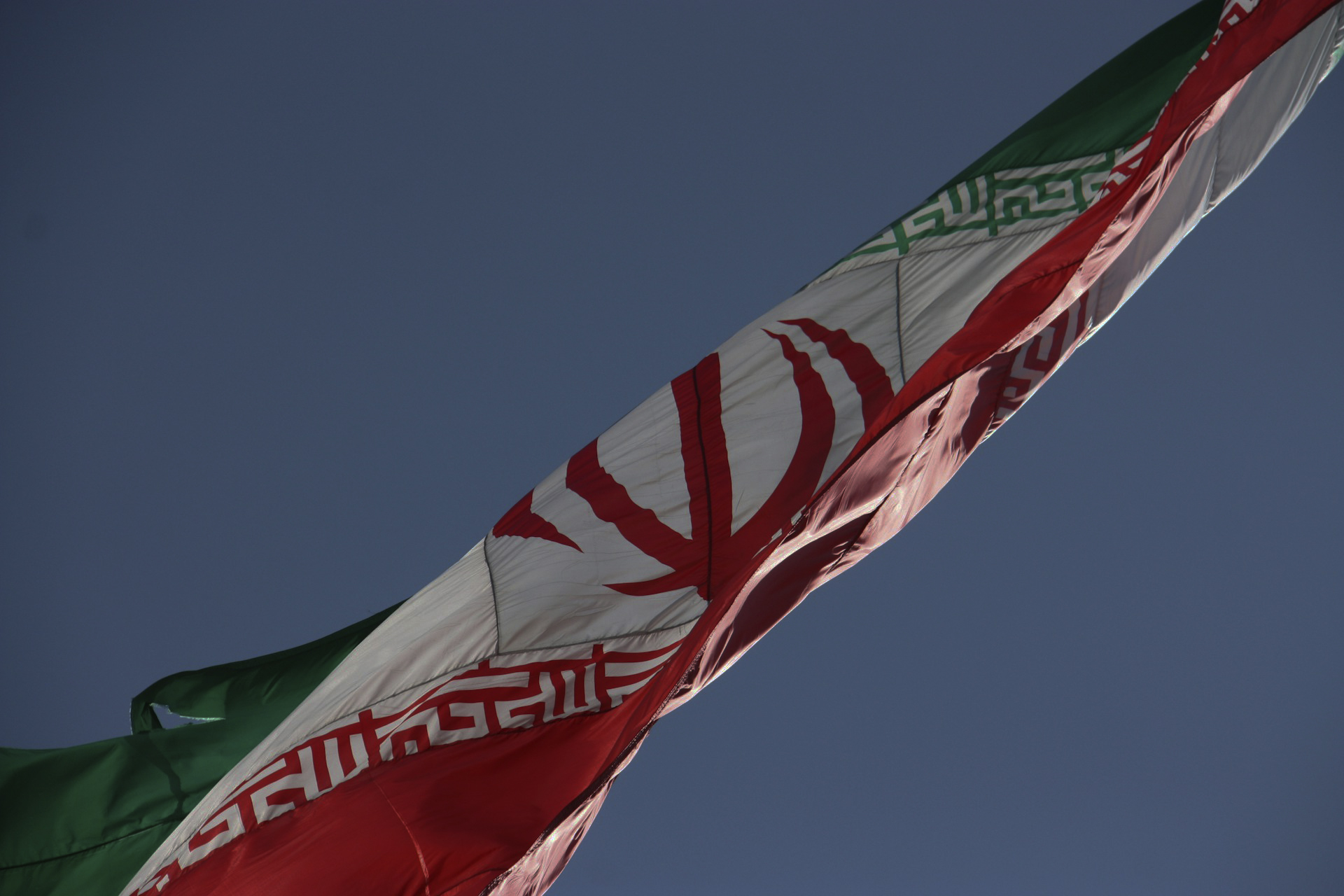
Oil Jumps 4% After Vance Says Iran Ignored U.S. Red Lines, Military Option Remains
From Optimism to Escalation: What Changed?
Earlier in the week, oil prices had declined after Iranian Foreign Minister Abbas Araghchi described discussions with U.S. envoys in Geneva as “constructive,” suggesting potential progress.However, Vance stated that Tehran had not crossed key U.S. “red lines,” signaling that Washington’s demands go beyond limited constraints and include dismantling core elements of Iran’s nuclear infrastructure.
“The president has demonstrated a willingness to use our very powerful military,” Vance said in an interview with Fox News.
Sources cited by Axios indicated that a potential U.S. military campaign would likely resemble a prolonged operation rather than a limited strike.
Markets reacted immediately.
The geopolitical risk premium intensified after reports that Iran’s Revolutionary Guard conducted military exercises in the Strait of Hormuz.
According to Kpler data, roughly one-third of global seaborne crude exports pass through this narrow waterway.
Any disruption — even temporary — could significantly impact global supply flows.
Iranian state media reported partial movement restrictions during drills, though Kpler analysts said they had not confirmed major shipping halts.
The market is pricing risk, not disruption.
U.S. Naval Deployment Signals Escalation
The U.S. has increased its military presence in the region:
• USS Abraham Lincoln deployed in the Middle East
• USS Gerald R. Ford moving toward the region
The USS Gerald R. Ford strike group reportedly transited the Atlantic toward the Mediterranean en route to potential Middle East positioning.
Deploying two carrier strike groups simultaneously elevates strategic signaling.
Historically, dual-carrier deployments precede either major deterrence efforts or preparation for contingency operations.
Iran itself is a significant producer. But the larger concern is transit risk affecting Gulf producers such as Saudi Arabia, Iraq, Kuwait, and the UAE.
Even the perception of disruption increases volatility.
In 2026, with global inventories tighter and OPEC+ balancing supply carefully, geopolitical shocks translate into rapid price spikes.
He warned that failure to reach an agreement would be “very traumatic.”
Iran’s leadership, including Supreme Leader Ali Khamenei, has responded by emphasizing resistance to pressure and rejecting external coercion.
This divergence suggests negotiations may face structural deadlock.
Energy markets are closely monitoring:
• Progress (or breakdown) in Geneva talks
• Naval movements in the Gulf
• Shipping data through Hormuz
• OPEC+ response to price spikes
If tensions escalate further, Brent could test higher resistance levels quickly. Conversely, any diplomatic breakthrough could unwind the geopolitical premium just as fast.
The geopolitical risk premium intensified after reports that Iran’s Revolutionary Guard conducted military exercises in the Strait of Hormuz.
According to Kpler data, roughly one-third of global seaborne crude exports pass through this narrow waterway.
Any disruption — even temporary — could significantly impact global supply flows.
Iranian state media reported partial movement restrictions during drills, though Kpler analysts said they had not confirmed major shipping halts.
The market is pricing risk, not disruption.
U.S. Naval Deployment Signals Escalation
The U.S. has increased its military presence in the region:
• USS Abraham Lincoln deployed in the Middle East
• USS Gerald R. Ford moving toward the region
The USS Gerald R. Ford strike group reportedly transited the Atlantic toward the Mediterranean en route to potential Middle East positioning.
Deploying two carrier strike groups simultaneously elevates strategic signaling.
Historically, dual-carrier deployments precede either major deterrence efforts or preparation for contingency operations.
Market Mechanics: Why Oil Reacts So Fast
Oil markets price geopolitical tail risk aggressively because supply disruptions in chokepoints like Hormuz can quickly remove millions of barrels per day from circulation.Iran itself is a significant producer. But the larger concern is transit risk affecting Gulf producers such as Saudi Arabia, Iraq, Kuwait, and the UAE.
Even the perception of disruption increases volatility.
In 2026, with global inventories tighter and OPEC+ balancing supply carefully, geopolitical shocks translate into rapid price spikes.
Strategic Demands: Beyond a Nuclear Freeze
President Trump has repeatedly stated that Iran must fully dismantle its nuclear infrastructure — not merely freeze enrichment levels.He warned that failure to reach an agreement would be “very traumatic.”
Iran’s leadership, including Supreme Leader Ali Khamenei, has responded by emphasizing resistance to pressure and rejecting external coercion.
This divergence suggests negotiations may face structural deadlock.
Energy markets are closely monitoring:
• Progress (or breakdown) in Geneva talks
• Naval movements in the Gulf
• Shipping data through Hormuz
• OPEC+ response to price spikes
If tensions escalate further, Brent could test higher resistance levels quickly. Conversely, any diplomatic breakthrough could unwind the geopolitical premium just as fast.
The 4% jump in crude reflects not immediate supply loss, but renewed escalation probability.
With two U.S. carrier groups moving toward the region and Washington reiterating military options, oil markets are shifting from cautious optimism to contingency pricing.
In energy markets, perception drives price.
And right now, perception equals elevated risk.
With two U.S. carrier groups moving toward the region and Washington reiterating military options, oil markets are shifting from cautious optimism to contingency pricing.
In energy markets, perception drives price.
And right now, perception equals elevated risk.
Written by Ethan Blake
Independent researcher, fintech consultant, and market analyst.
February 19, 2026
Join us. Our Telegram: @forexturnkey
All to the point, no ads. A channel that doesn't tire you out, but pumps you up.
Independent researcher, fintech consultant, and market analyst.
February 19, 2026
Join us. Our Telegram: @forexturnkey
All to the point, no ads. A channel that doesn't tire you out, but pumps you up.





Report
My comments