




Reducing Spreads to a Minimum: How Liquidity Providers Help Traders Save on Trading Costs
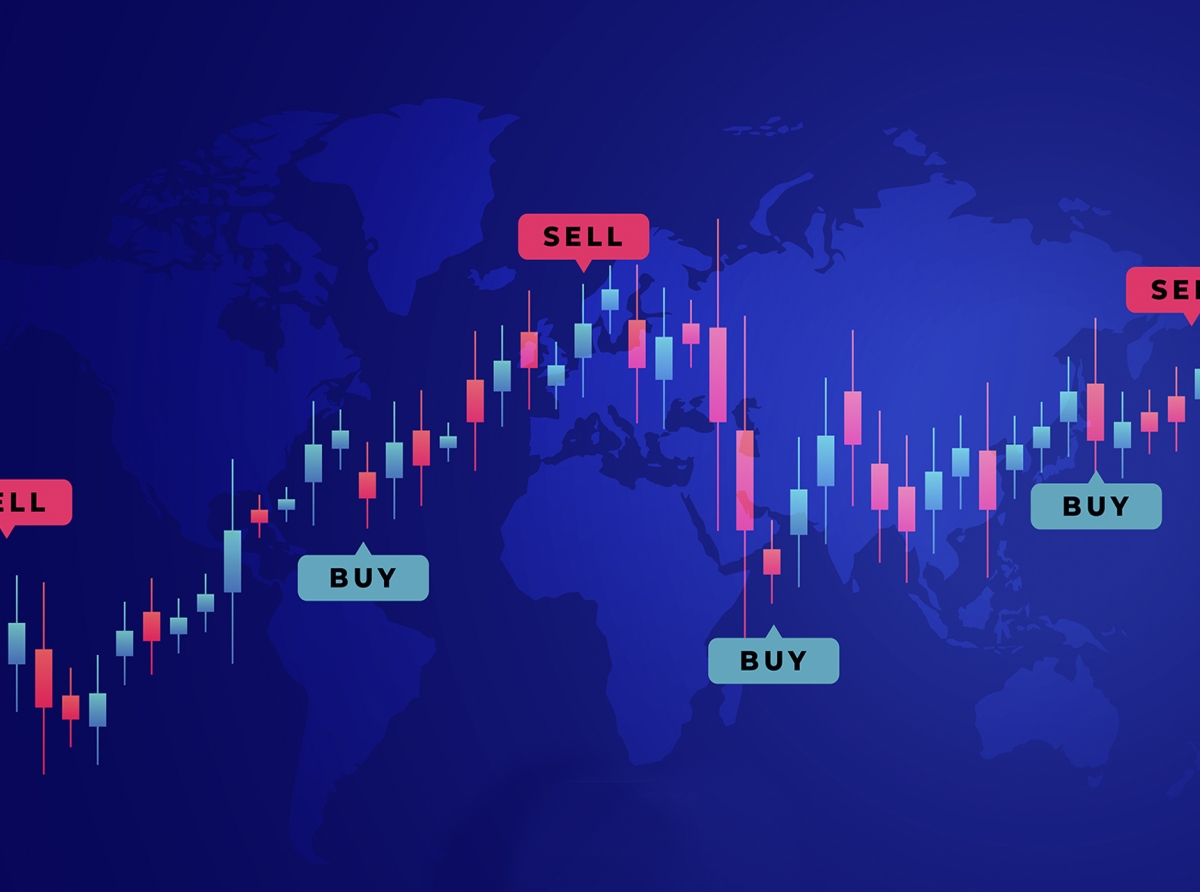
Reducing Spreads to a Minimum: How Liquidity Providers Help Traders Save on Trading Costs
In 2026, liquidity providers will become a critical factor in the competitiveness of forex brokers. The quality of aggregated liquidity directly impacts spreads, slippage, and the overall cost of trading for retail and professional traders.
Most traders focus on strategy profitability, leverage, or execution speed, but the spread remains one of the most persistent sources of expenses in Forex. Even the smallest difference between the buy and sell prices can significantly impact the final trading result with high trading frequency.
This becomes especially noticeable in 2026, when algorithmic trading, scalping, and high-frequency strategies continue to grow rapidly. Under these conditions, every fraction of a point begins to matter.
This is why liquidity providers have become a key element of modern trading infrastructure. Liquidity quality directly affects not only the stability of execution but also the tightness of the spread in real market conditions.
This becomes especially noticeable in 2026, when algorithmic trading, scalping, and high-frequency strategies continue to grow rapidly. Under these conditions, every fraction of a point begins to matter.
This is why liquidity providers have become a key element of modern trading infrastructure. Liquidity quality directly affects not only the stability of execution but also the tightness of the spread in real market conditions.
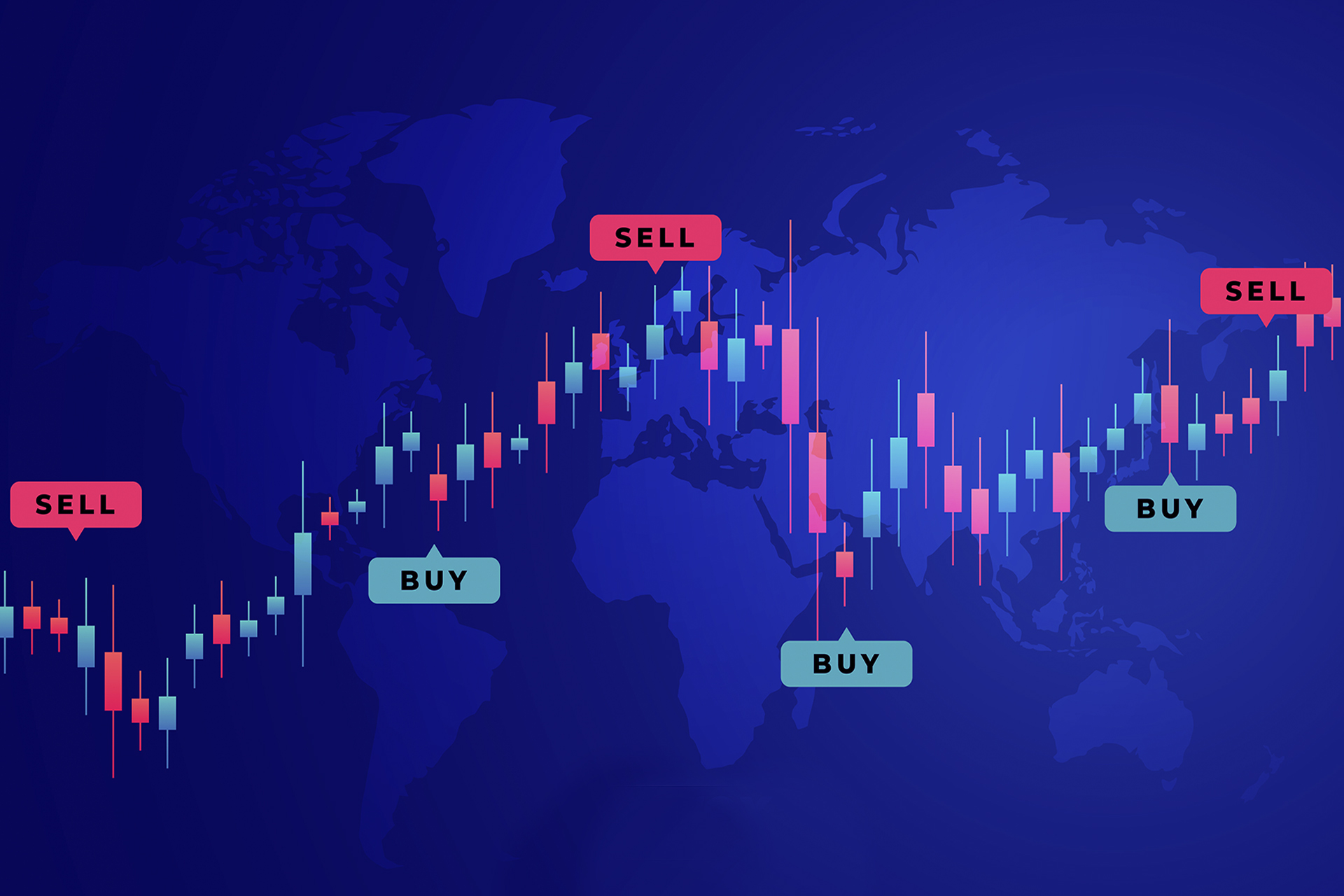
Reducing Spreads to a Minimum: How Liquidity Providers Help Traders Save on Trading Costs
How liquidity providers create tight spreads
Liquidity providers facilitate the flow of buy and sell orders for assets, creating market depth. The more volumes and participants within the liquidity system, the smaller the gap between bids and asks.In fact, LP competition leads to a natural narrowing of spreads.
Modern brokers rarely work with just one liquidity provider. Multi-LP architectures are more common, where the system aggregates quotes from multiple banks, market makers, and institutional participants. Algorithms automatically select the best available prices at order execution.
For a trader, this looks like a more profitable entry point and smaller losses when opening a position.
This infrastructure is especially important in volatile markets, where weak liquidity can instantly widen spreads several times over.
Why tight spreads are especially important for active trading
For a long-term investor, a difference of a few pips may seem insignificant. But for active traders, the situation is completely different.Scalping, intraday trading, and automated strategies involve large numbers of trades, where trading costs quickly accumulate. Even a small spread widening can turn a profitable strategy into an unprofitable one.
Therefore, professional traders are increasingly evaluating not only the broker's stated terms, but also the actual quality of liquidity during periods of high demand.
During macroeconomic data releases or sharp market movements, weak liquidity infrastructure often leads to spikes in spread widening, execution delays, and increased slippage.
Large liquidity providers help mitigate these effects through high market depth and the distribution of order flow across multiple liquidity sources.
Competition between LPs is changing the Forex industry
In recent years, the liquidity market has become significantly more technologically advanced. While large banks once dominated, non-bank liquidity providers, high-frequency trading firms, and specialized electronic market makers are now playing a significant role.This has increased competition within the Forex infrastructure.
As a result, brokers gained access to more flexible execution models, and traders gained access to tighter spreads even on highly volatile instruments.
This is especially noticeable in Asian and cryptocurrency markets, where trading volumes continue to grow rapidly. Modern LPs now compete not only on execution speed, but also on the quality of price feeds, price stability, and resilience during market stress.
Why Liquidity Is Becoming Part of a Trading Strategy
In 2026, choosing a liquidity environment is increasingly becoming part of a professional trading approach. Traders increasingly understand that even a strong strategy can be ineffective if the execution infrastructure is poor.Low spreads reduce fixed trading costs, improve the risk-reward ratio, and allow for more efficient capital management.
This is why the quality of liquidity providers is now viewed not as a technical detail of the brokerage system, but as one of the factors directly influencing trading profitability.
By Miles Harrington
May 18, 2026
Join us. Our Telegram: @forexturnkey
All to the point, no ads. A channel that doesn't tire you out, but pumps you up.
May 18, 2026
Join us. Our Telegram: @forexturnkey
All to the point, no ads. A channel that doesn't tire you out, but pumps you up.





Report
My comments