




Trump’s Expanding Geopolitical Offensive Reshapes Global Power Dynamics in 2026
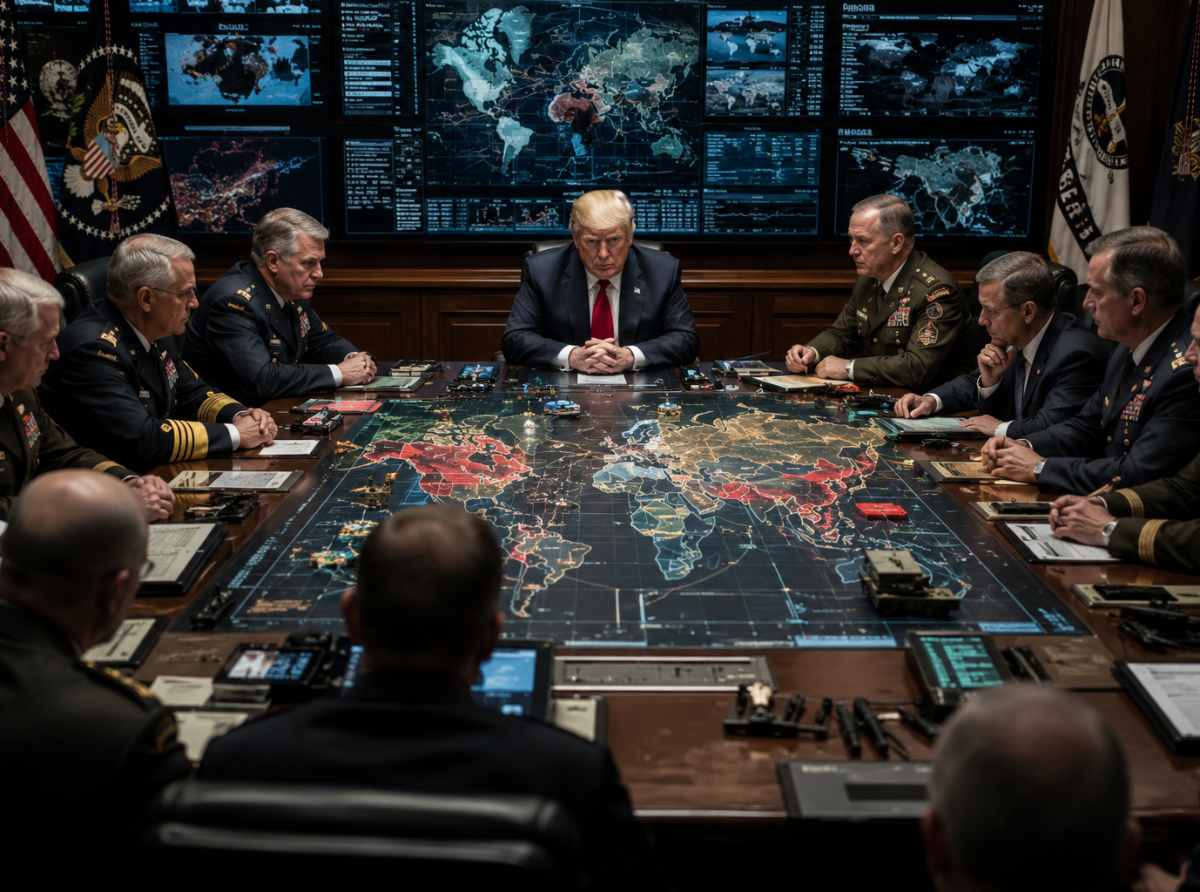
Trump’s Expanding Geopolitical Offensive Reshapes Global Power Dynamics in 2026
The geopolitical competition of 2026 is no longer centered solely on military strength. Control over energy corridors, semiconductor infrastructure, AI computing power, and missile defense systems now forms the core of strategic rivalry between global powers.
Washington Escalates Pressure Across Multiple Fronts
The geopolitical strategy of the Donald Trump administration has entered a far more aggressive phase in May 2026. What initially appeared to be isolated actions against Iran has rapidly evolved into a broader campaign affecting global trade routes, military alliances, energy markets, and technological competition between major powers.The White House is simultaneously tightening sanctions pressure on Iran, increasing restrictions connected to Cuba, accelerating missile defense initiatives, and deepening economic controls linked to strategic technologies. The combined effect is reshaping diplomatic relations far beyond the Middle East.
Markets are increasingly treating these developments not as temporary geopolitical noise, but as the early architecture of a more fragmented global order.
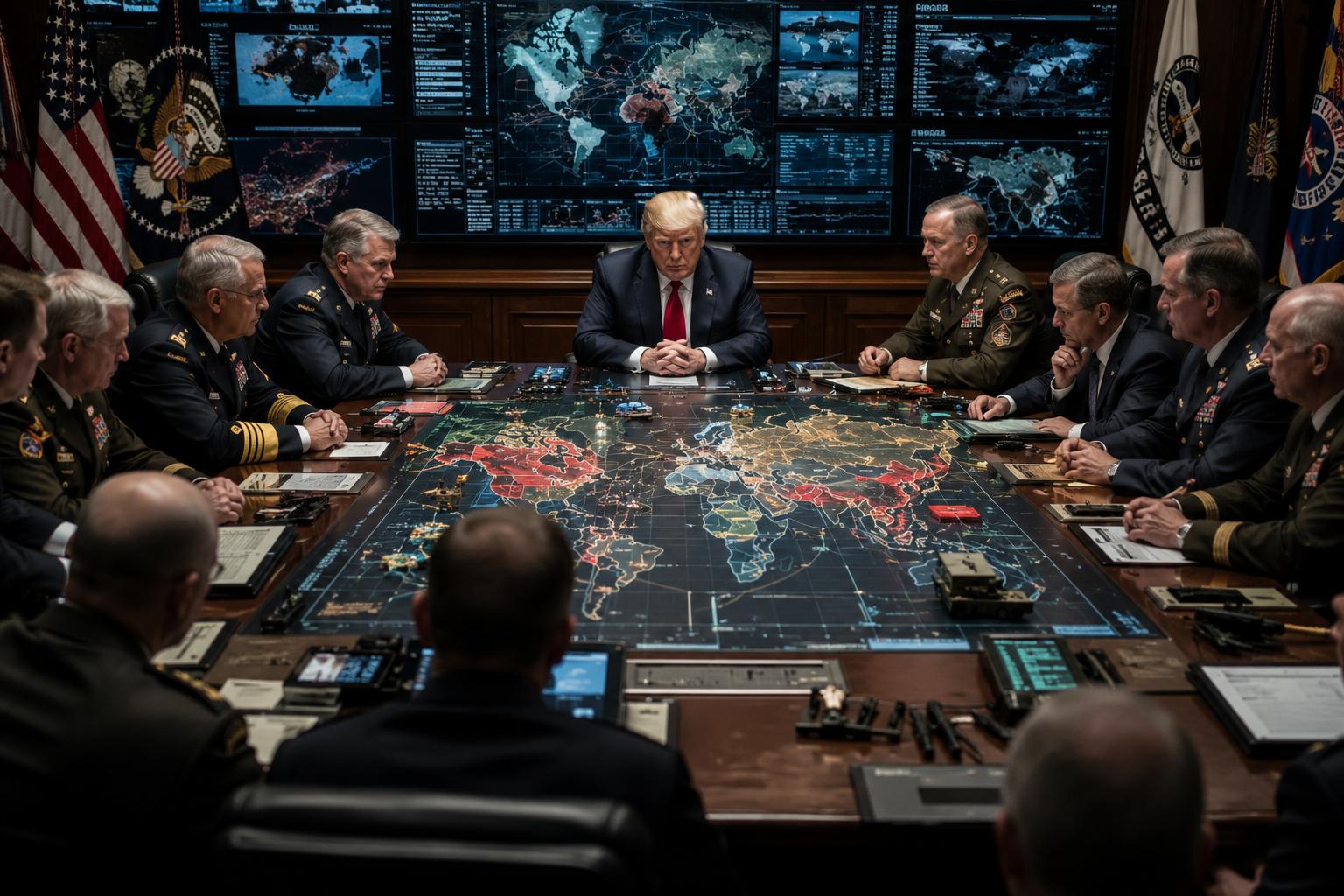
Trump’s Expanding Geopolitical Offensive Reshapes Global Power Dynamics in 2026
Iran Remains the Central Flashpoint
Iran continues to dominate Washington’s foreign policy agenda.The United States has expanded sanctions targeting Iranian shipping networks, financial intermediaries, energy exports, and logistics chains connected to regional trade flows. The pressure campaign intensified after repeated disruptions in the Strait of Hormuz triggered global concerns over oil supply stability.
At the same time, negotiations between Washington and Tehran remain stalled.
The Trump administration continues demanding restrictions on Iran’s nuclear program, reopening of Hormuz shipping lanes, and limitations on Tehran’s regional military influence. Iran, meanwhile, insists on sanctions relief, financial compensation related to wartime damage, and guarantees against future military escalation.
This diplomatic deadlock has transformed energy security into a strategic weapon.
Oil markets remain highly sensitive to every headline involving the Gulf region, while shipping insurance costs and freight premiums across Middle Eastern routes continue rising.
Cuba Returns to Washington’s Strategic Agenda
Another significant shift involves renewed pressure on Cuba.The administration has expanded financial and trade restrictions targeting Cuban-linked entities, particularly in sectors tied to shipping, tourism, and state-controlled financial operations. Analysts view these moves as part of a broader effort to tighten control over geopolitical influence in the Western Hemisphere while simultaneously signaling a harder foreign policy posture ahead of the US election cycle.
The measures also carry symbolic importance.
By escalating actions against both Iran and Cuba simultaneously, Washington is reinforcing a broader doctrine centered on economic coercion, sanctions enforcement, and strategic isolation of adversarial governments.
Missile Defense Plans Trigger Reactions From Beijing and Moscow
One of the most consequential developments has been the growing reaction from China and Russia to US missile defense initiatives.Washington’s discussions around expanding advanced missile shield systems — including space-linked interception technologies and regional strategic defense integration — have triggered unusually sharp rhetoric from both Beijing and Moscow.
China warned that expanded missile defense architecture risks destabilizing strategic nuclear balance in Asia-Pacific. Russian officials described the proposals as a direct threat to long-term deterrence stability.
The missile defense debate is unfolding alongside rising tensions over Taiwan, semiconductor restrictions, AI competition, and expanding military coordination between Russia and China.
Reports of US Aviation Losses Add Pressure
Military analysts are also closely monitoring growing reports surrounding US aviation losses and operational incidents connected to regional deployments.While official details remain limited, multiple defense observers indicate that the intensity of aerial operations near contested zones has increased significantly since the escalation involving Iran. These developments are fueling debate inside Washington about operational sustainability, escalation risks, and the long-term cost of maintaining multiple simultaneous pressure campaigns.
The issue carries both military and political implications.
Historically, prolonged overseas military strain has influenced domestic political narratives in the United States, especially during periods of economic uncertainty and rising inflationary pressure linked to energy markets.
Trade Restrictions Are Expanding Beyond Energy
The geopolitical confrontation increasingly extends into global trade systems.The United States continues tightening export controls related to semiconductors, AI hardware, advanced manufacturing equipment, and strategic dual-use technologies. China, in response, has strengthened export oversight on rare earth materials and critical supply chain components.
This creates a dangerous feedback loop.
The more restrictions intensify, the more aggressively both sides accelerate industrial self-sufficiency strategies. Semiconductor supply chains, AI infrastructure investment, battery production, and energy independence are all becoming national security priorities rather than purely economic objectives.
As a result, global corporations now face growing pressure to redesign supply chains around geopolitical resilience instead of maximum efficiency.
Diplomacy Continues — But Trust Is Eroding
Despite escalating rhetoric, diplomatic channels remain active.Negotiations involving the United States, Iran, China, Gulf states, and European intermediaries continue behind closed doors. However, the broader atmosphere has shifted from cooperation toward transactional crisis management.
Markets increasingly price geopolitical instability as a permanent structural factor rather than a temporary disruption. That change matters.
The world economy is entering a period where geopolitical fragmentation directly shapes inflation, technology investment, commodity pricing, military spending, and capital flows. Strategic competition between major powers is no longer a background risk — it is becoming one of the primary drivers of global financial conditions.
The Global Order Is Being Redefined in Real Time
The events of May 2026 reveal a deeper transformation underway.The Trump administration’s geopolitical strategy is not limited to Iran or regional military operations. It reflects a broader attempt to redefine American leverage through sanctions, energy pressure, technological dominance, and military deterrence simultaneously.
China and Russia increasingly respond not as isolated rivals, but as strategic partners resisting a US-led security framework.
The result is a rapidly evolving geopolitical landscape where diplomacy, economics, military power, and technology are merging into a single competitive arena — one that could define the next decade of international relations.
By Miles Harrington
May 21, 2026
Join us. Our Telegram: @forexturnkey
All to the point, no ads. A channel that doesn't tire you out, but pumps you up.
May 21, 2026
Join us. Our Telegram: @forexturnkey
All to the point, no ads. A channel that doesn't tire you out, but pumps you up.





Report
My comments