




Turnkey Brokerage Solutions: AI, Blockchain & Next-Gen Trading Infrastructure
Turnkey Brokerage Solutions: AI, Blockchain & Next-Gen Trading Infrastructure
Turnkey brokerage solutions are integrating AI, blockchain, and automation to create scalable, data-driven trading ecosystems that reduce operational costs and enhance execution efficiency.
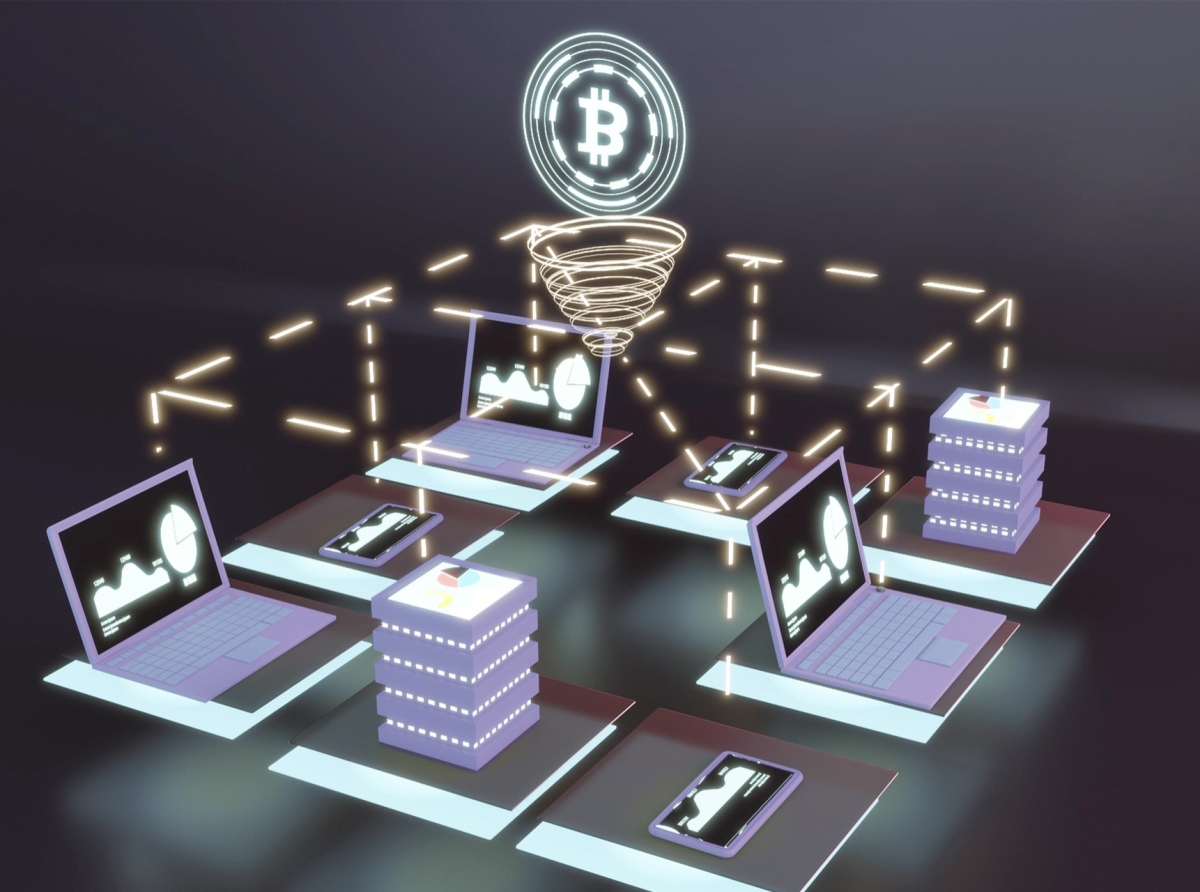
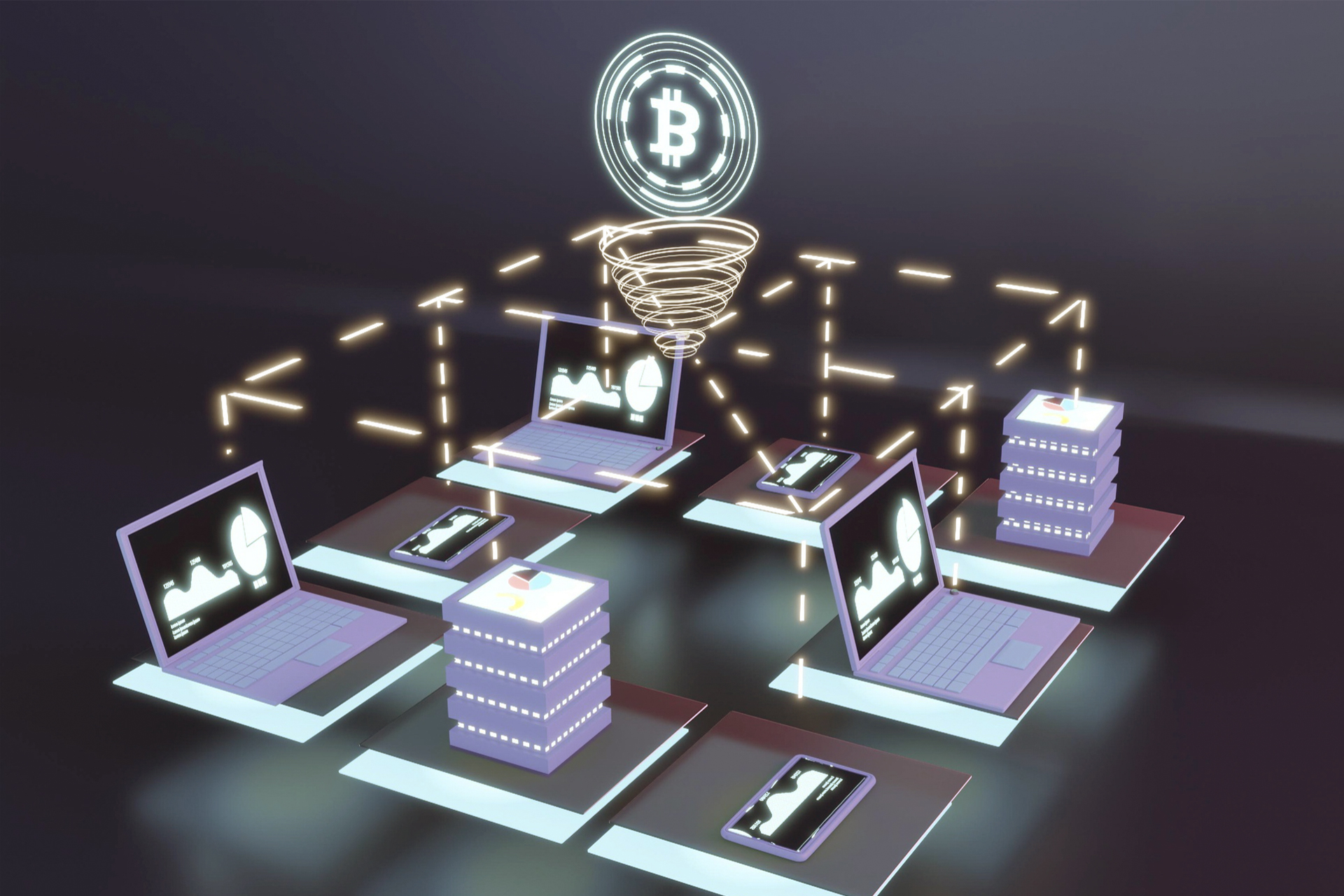
The financial industry is undergoing a transition from traditional infrastructure to intelligent systems, where data, processing speed, and automation play a key role. In this transformation, turnkey brokerage solutions are becoming more than just a tool for launching a brokerage, but a full-fledged technology platform that integrates cutting-edge solutions into a unified ecosystem. While such systems previously provided basic functionality, by 2026 they will include artificial intelligence, blockchain integrations, and algorithmic risk management modules.
The main advantage lies in the architecture. Turnkey platforms allow for the implementation of complex technologies without the need for development from scratch. This lowers the barrier to entry for new brokers and accelerates their adaptation to rapidly changing market conditions. According to industry estimates (Global Fintech, 2026), the implementation of AI in brokerage infrastructure reduces operating costs by 20–35% by automating analysis, customer service, and risk management processes.
The main advantage lies in the architecture. Turnkey platforms allow for the implementation of complex technologies without the need for development from scratch. This lowers the barrier to entry for new brokers and accelerates their adaptation to rapidly changing market conditions. According to industry estimates (Global Fintech, 2026), the implementation of AI in brokerage infrastructure reduces operating costs by 20–35% by automating analysis, customer service, and risk management processes.
Turnkey Brokerage Solutions: AI, Blockchain & Next-Gen Trading Infrastructure
Artificial intelligence is becoming the core of modern brokerage systems. It is used to analyze client behavior, identify anomalies, and optimize order execution. For example, machine learning algorithms can predict the likelihood of a trade's success based on historical data, current volatility, and macroeconomic factors. This allows brokers not only to improve trading conditions but also to manage liquidity more effectively.
In practical applications, AI is also used for dynamic pricing. The platform analyzes market depth, trader activity, and external factors, adjusting spreads in real time. This reduces slippage and improves execution quality, which directly impacts client retention.
Blockchain adds another level of transformation—transparency and security. The integration of distributed ledgers allows transactions to be recorded in a way that makes them impossible to change retroactively. This is especially important for settlements, auditing, and customer trust. Some systems use smart contracts that automatically execute transaction terms and reduce operational risks.
Structural example:
Transaction type: customer deposit
Method: blockchain payment
Confirmation time: 10-60 seconds
Risk of data modification: none
Blockchain also simplifies cross-border payments, which is critical for brokers working with a global client base. Reduced fees and faster settlements create a competitive advantage, especially in regions with limited access to traditional banking infrastructure.
Another area of focus is automation through algorithmic systems. Turnkey solutions integrate modules that manage risks in real time, analyzing client positions and market conditions. This helps prevent critical losses and maintain platform stability even in highly volatile conditions.
User experience also plays a vital role. Modern platforms use AI to personalize interfaces, recommendations, and educational content. For example, the system can suggest tools or strategies to a trader based on their previous actions, increasing engagement and trading efficiency.
In practical applications, AI is also used for dynamic pricing. The platform analyzes market depth, trader activity, and external factors, adjusting spreads in real time. This reduces slippage and improves execution quality, which directly impacts client retention.
Blockchain adds another level of transformation—transparency and security. The integration of distributed ledgers allows transactions to be recorded in a way that makes them impossible to change retroactively. This is especially important for settlements, auditing, and customer trust. Some systems use smart contracts that automatically execute transaction terms and reduce operational risks.
Structural example:
Transaction type: customer deposit
Method: blockchain payment
Confirmation time: 10-60 seconds
Risk of data modification: none
Blockchain also simplifies cross-border payments, which is critical for brokers working with a global client base. Reduced fees and faster settlements create a competitive advantage, especially in regions with limited access to traditional banking infrastructure.
Another area of focus is automation through algorithmic systems. Turnkey solutions integrate modules that manage risks in real time, analyzing client positions and market conditions. This helps prevent critical losses and maintain platform stability even in highly volatile conditions.
User experience also plays a vital role. Modern platforms use AI to personalize interfaces, recommendations, and educational content. For example, the system can suggest tools or strategies to a trader based on their previous actions, increasing engagement and trading efficiency.
A real-life case study demonstrates how integrating these technologies impacts business. One broker, which implemented AI analytics and blockchain payments as part of its Turnkey solution, reduced transaction processing time by 40% and increased client retention by 25% within the first year. This confirms that technological modernization directly impacts financial performance.
From a market perspective, the trend is clear. In 2026–2027, Turnkey brokerage solutions will continue to integrate new technologies, including more advanced AI models and hybrid financial systems. Such platforms are expected to become the standard rather than a competitive advantage.
It's important to consider the limitations, however. AI doesn't eliminate market risk, and blockchain doesn't replace regulation. These technologies enhance the infrastructure, but they don't replace the fundamental principles of financial markets. Their effectiveness depends on the quality of their implementation and integration into the overall system.
From a market perspective, the trend is clear. In 2026–2027, Turnkey brokerage solutions will continue to integrate new technologies, including more advanced AI models and hybrid financial systems. Such platforms are expected to become the standard rather than a competitive advantage.
It's important to consider the limitations, however. AI doesn't eliminate market risk, and blockchain doesn't replace regulation. These technologies enhance the infrastructure, but they don't replace the fundamental principles of financial markets. Their effectiveness depends on the quality of their implementation and integration into the overall system.
Turnkey brokerage solutions are moving beyond being a simple launch tool and becoming the center of technological transformation in the financial industry. The integration of AI, blockchain, and automation enables the creation of more efficient, transparent, and scalable trading ecosystems. In an increasingly competitive market, the technological level of the infrastructure will determine who remains in the market.
Written by Ethan Blake
Independent researcher, fintech consultant, and market analyst.
April 13, 2026
Join us. Our Telegram: @forexturnkey
All to the point, no ads. A channel that doesn't tire you out, but pumps you up.
Independent researcher, fintech consultant, and market analyst.
April 13, 2026
Join us. Our Telegram: @forexturnkey
All to the point, no ads. A channel that doesn't tire you out, but pumps you up.




Report
My comments