









Crypto Wallets Are No Longer Just Storage
Crypto Wallets Are No Longer Just Storage
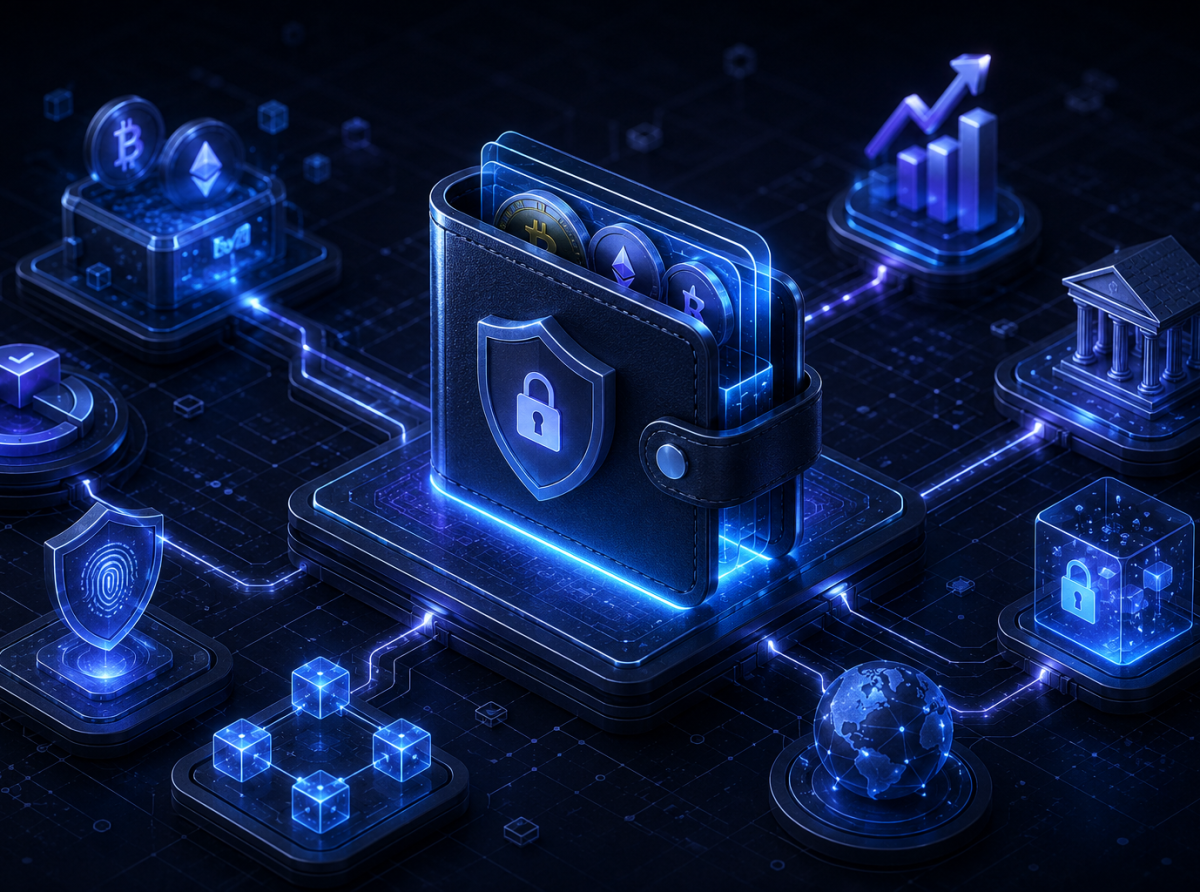
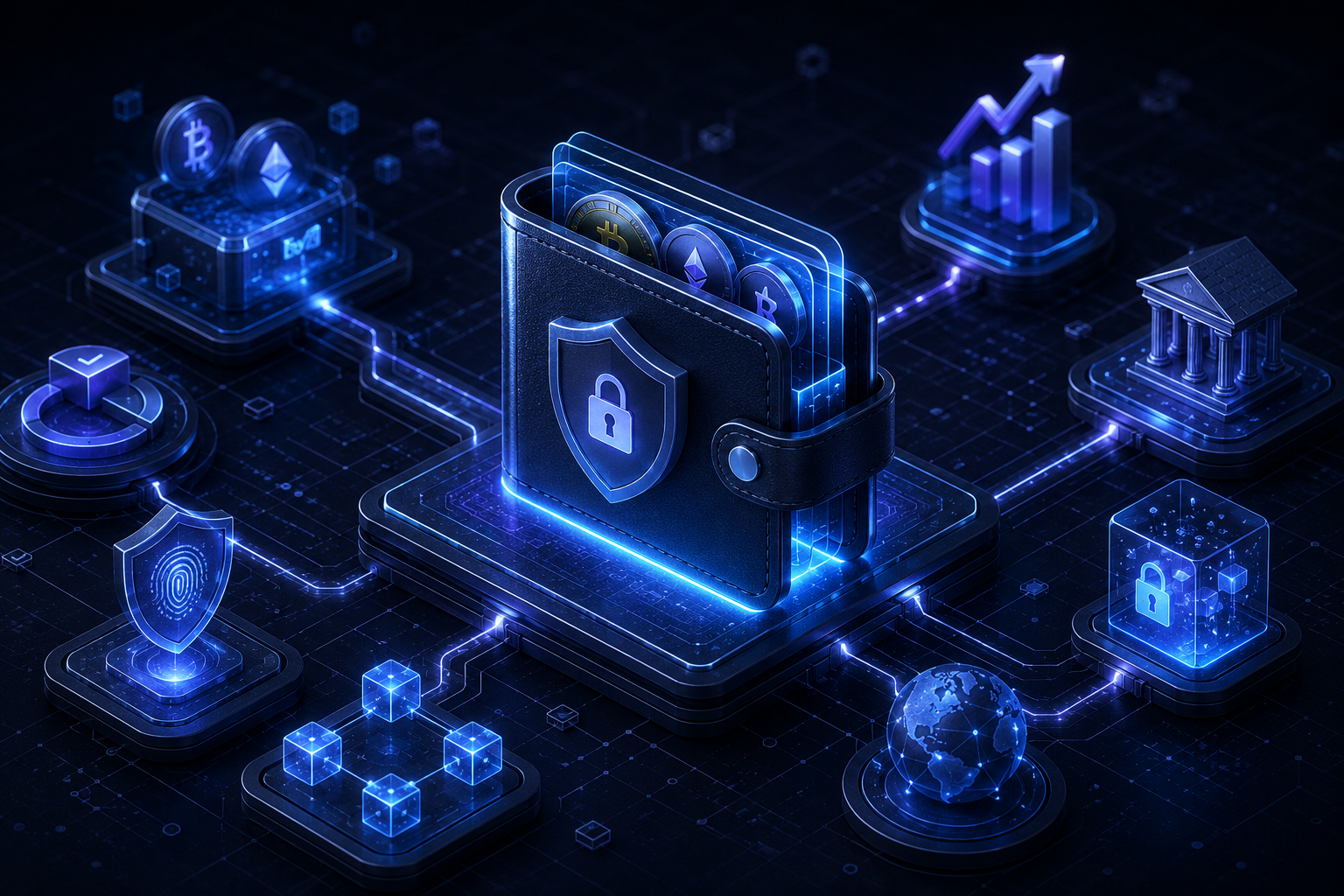
In 2026, crypto wallets are no longer just storage tools — they are the primary security layer of the digital asset economy. As adoption of decentralized finance, tokenized assets and self-custody expands, wallet infrastructure has become critical for both retail users and institutional investors. The core distinction is no longer simply “hot vs cold,” but how different wallet architectures balance accessibility, control and attack surface.
What a crypto wallet actually is
Despite the name, a crypto wallet does not technically “store” cryptocurrency. Assets remain on the blockchain. The wallet stores cryptographic credentials — primarily private keys — that grant access to those assets.This distinction is fundamental.
Control over the private key equals control over the funds. That is why wallet security is effectively asset security.
The phrase commonly repeated in crypto circles — “Not your keys, not your coins” — remains relevant because it reflects the underlying structure of blockchain ownership.
Crypto Wallets Are No Longer Just Storage
Hot wallets: convenience with higher exposure
Hot wallets are connected to the internet. Examples include browser wallets, mobile apps and exchange-integrated wallets.Platforms and tools associated with ecosystems like MetaMask or Coinbase made crypto accessible to millions of users by simplifying interaction with decentralized applications.
The advantage of hot wallets is speed and usability. They are optimized for trading, DeFi participation and daily transactions.
However, constant internet connectivity increases exposure to phishing attacks, malware, malicious smart contracts and credential theft.
Most large-scale wallet compromises in recent years targeted user behavior rather than blockchain vulnerabilities themselves.
Analytical conclusion: convenience expands the attack surface.
Cold wallets: reducing the attack vector
Cold wallets operate offline. Hardware devices and air-gapped systems isolate private keys from internet-connected environments.Products like Ledger and Trezor became widely adopted because they separate transaction approval from network interaction.
This architecture significantly reduces remote attack risk.
Even if a connected computer is compromised, the attacker typically cannot extract the private key directly from the device.
However, cold storage introduces another challenge: operational responsibility. Loss of recovery phrases, poor backup management or physical theft can permanently lock users out of their assets.
In crypto, security and irreversibility are tightly connected.
Custodial vs self-custody: who controls the keys
One of the most important distinctions in 2026 is custodial versus non-custodial infrastructure.Custodial wallets are controlled by third parties such as exchanges or financial platforms. The provider manages the keys and recovery systems.
This model improves usability and account recovery but creates counterparty risk. Users depend on the solvency, security and regulatory status of the provider.
The collapse of several centralized crypto firms during previous market cycles reinforced awareness of this risk.
Self-custody wallets place full responsibility on the user. No intermediary controls the assets.
This aligns more closely with the original philosophy of decentralized finance but requires stronger operational discipline.
Analytical observation: crypto adoption increasingly depends on finding a balance between sovereignty and usability.
Multi-signature and institutional security
As digital asset markets matured, more advanced wallet systems emerged.Multi-signature wallets require approval from multiple parties or devices before transactions can execute. This structure reduces single-point-of-failure risk and is increasingly common among institutions, DAOs and high-net-worth investors.
Infrastructure providers like Fireblocks built enterprise-grade systems around this model.
The trend reflects a broader shift: wallet security is evolving from individual protection to organizational governance.
Social engineering: the biggest threat remains human behavior
Despite advances in cryptography, the most effective attacks still target psychology.Phishing links, fake interfaces, impersonation scams and manipulated approvals remain among the most common attack vectors.
Attackers increasingly mimic legitimate platforms with near-perfect accuracy.
This changes the security equation. The weakest layer is often not the protocol, but the decision-making process of the user.
Analytical conclusion: wallet security is behavioral as much as technical.
The rise of smart wallets and account abstraction
New wallet models in 2026 aim to reduce complexity without sacrificing control.Smart wallets and account abstraction systems allow features such as transaction limits, social recovery, automated permissions and programmable security policies.
These systems attempt to solve one of crypto’s biggest adoption barriers: the risk of irreversible human error.
The long-term significance is substantial. If wallets become easier to secure and recover, mainstream adoption barriers decline dramatically.
Regulation and surveillance pressure
As governments intensify oversight of digital assets, wallets are becoming part of the regulatory conversation.Some jurisdictions push for stricter monitoring of self-hosted wallets, particularly regarding AML and transaction tracing requirements.
This creates tension between privacy and compliance.
The outcome remains uncertain, but wallet infrastructure is increasingly positioned at the intersection of finance, identity and regulation.
Crypto wallets in 2026 are no longer simple storage tools. They are identity systems, security infrastructure and gateways into decentralized economies. The evolution from basic hot wallets to programmable smart wallets reflects the broader maturation of digital assets themselves. As capital continues moving on-chain, understanding wallet architecture and security becomes not just a technical skill, but a financial necessity.
By Jake Sullivan
May 22, 2026
Join us. Our Telegram: @forexturnkey
All to the point, no ads. A channel that doesn't tire you out, but pumps you up.
May 22, 2026
Join us. Our Telegram: @forexturnkey
All to the point, no ads. A channel that doesn't tire you out, but pumps you up.





Report
My comments