



Algorithmic Trading vs. Human Intuition: Why Robots Haven't Displaced Humans in Forex
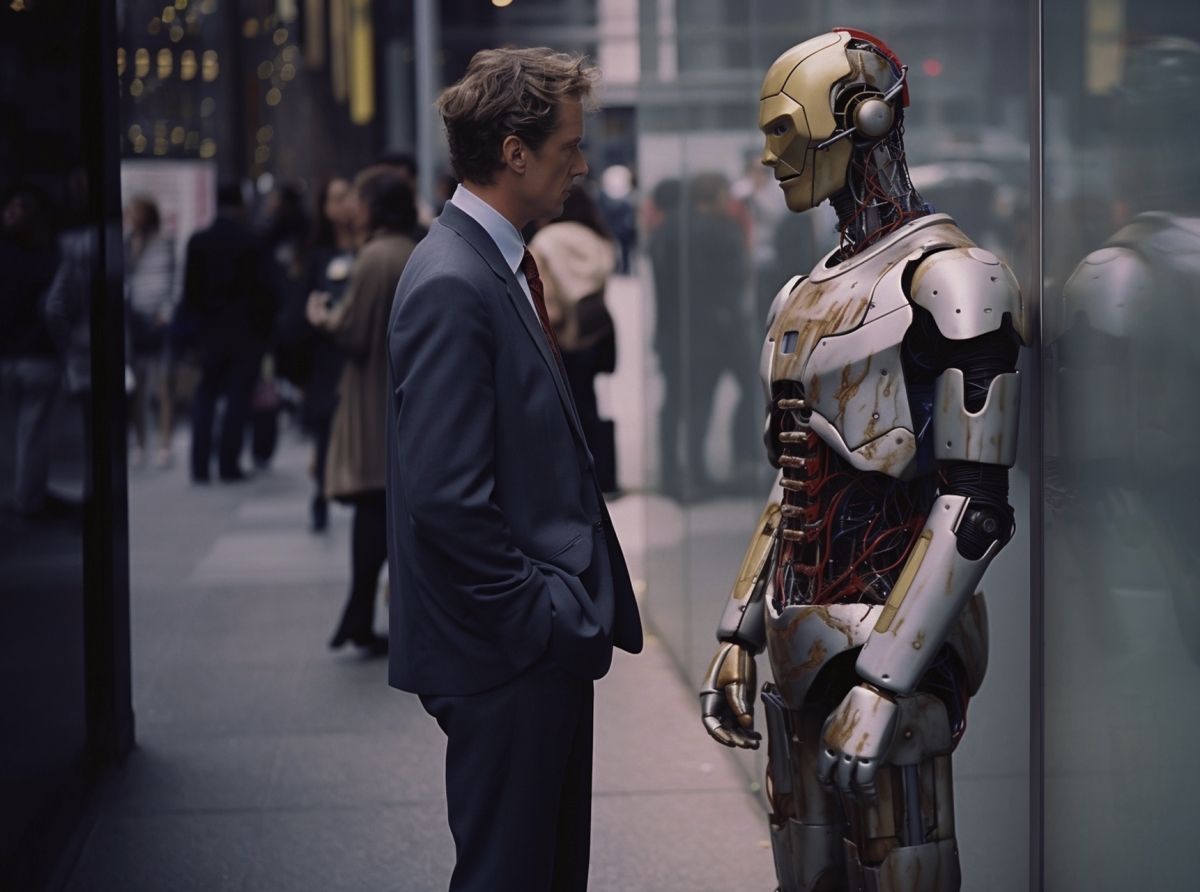
Algorithmic Trading vs. Human Intuition: Why Robots Haven't Displaced Humans in Forex
In 2026, the largest Forex companies will increasingly shift to hybrid trading models, where AI is responsible for speed of analysis and execution, and humans are responsible for interpreting non-standard market scenarios, risk management, and adaptation to geopolitical changes.
Automation has changed the market, but has not replaced traders
In recent years, algorithmic trading has become one of the main drivers of the Forex market. High-frequency systems, AI models, neural networks, and automated strategies process massive amounts of data faster than humans and are capable of reacting to market changes in milliseconds.Against this backdrop, it long seemed that manual trading would gradually disappear, and the human factor would become redundant. However, in 2026, the situation looks different. Despite the rapid development of artificial intelligence, experienced traders still retain a critical role in the forex market.
The reason is that financial markets remain not only a mathematical system, but also a reflection of human behavior, political conflicts, panic, expectations and irrational reactions.
It is under these conditions that algorithms begin to encounter limitations.
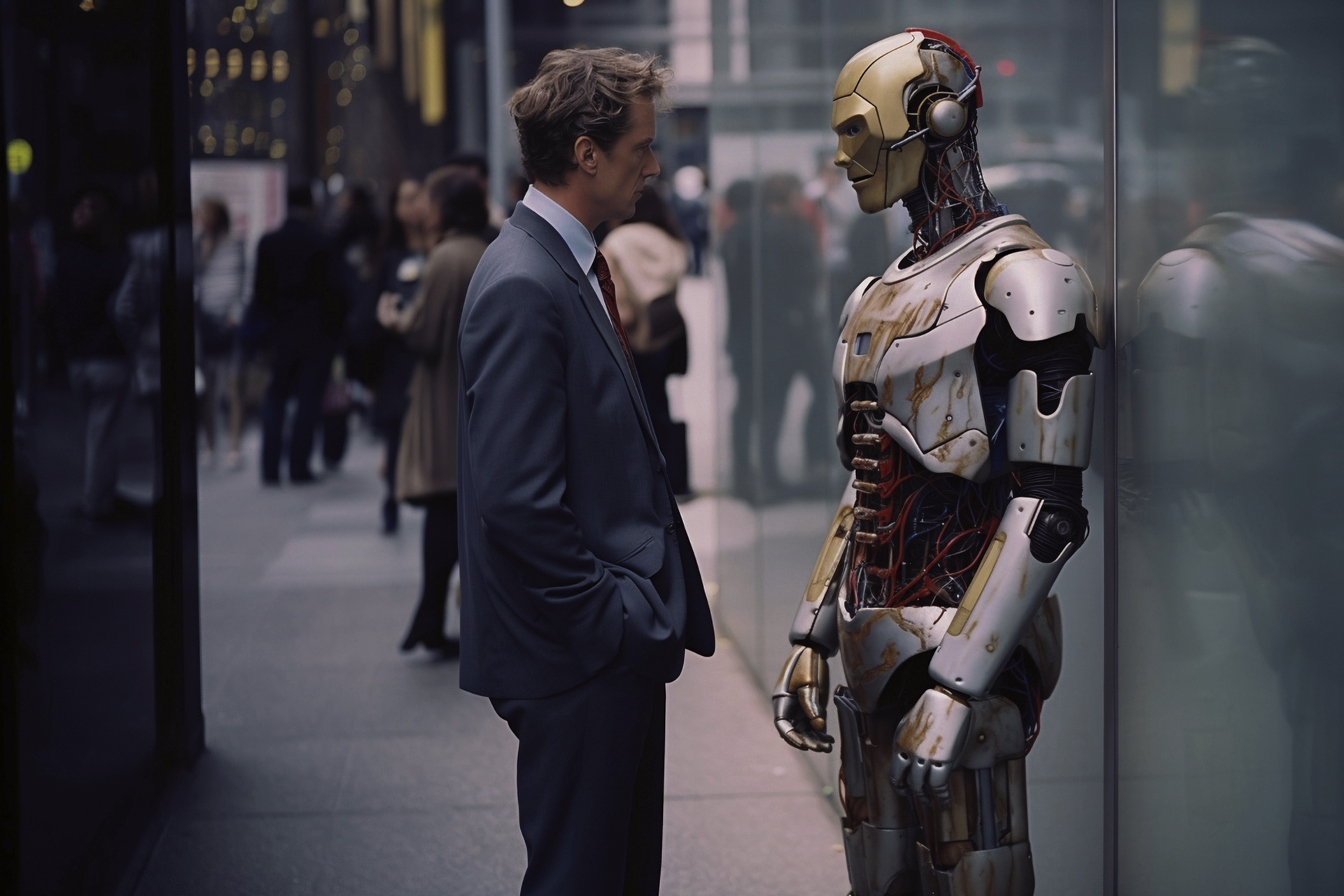
Algorithmic Trading vs. Human Intuition: Why Robots Haven't Displaced Humans in Forex
Why algorithms are only effective in predictable environments
Most trading systems are built on historical data. The algorithm searches for patterns, calculates probabilities, and makes decisions based on repeatable market behavior patterns.As long as the market structure remains relatively stable, machines demonstrate high efficiency. They don't tire, don't experience fear, and are capable of maintaining risk management with perfect discipline.
But the problem arises when market anomalies occur.
During geopolitical crises, unexpected central bank decisions, sudden changes in liquidity, or panic, algorithms often begin to lose efficiency because they encounter situations that were not present in the training data.
The forex market has demonstrated this repeatedly in practice—from the Swiss currency shock of 2015 to energy crises, sanctions wars, and unconventional regulatory actions in recent years.
When the market moves outside the statistical norm, the ability to adapt, rather than the speed of calculation, gains an advantage.
Where human intuition remains stronger than AI
A person is capable of taking into account context that is difficult to formalize mathematically. An experienced trader analyzes not only the chart but also political rhetoric, market sentiment, changes in liquidity behavior, and the overall risk structure.This becomes especially important during periods when news contradicts market logic.
AI can detect correlations, but it doesn't always understand the nature of what's happening. While a machine can process thousands of news headlines, it has a harder time recognizing hidden shifts in market behavior caused by fear, diplomatic pressure, or a loss of investor confidence.
That's why many large hedge funds and institutional participants use a hybrid model: algorithms handle speed and data processing, while humans make the key decisions.
Market anomalies remain the main problem of AI
Modern neural networks demonstrate impressive results in pattern recognition, but financial markets differ from classic AI problems.There are no stable rules in Forex. Participants' behavior is constantly changing under the influence of politics, inflation, interest rates, energy crises, and global conflicts.
An algorithm can work perfectly for years, and then become unstable within a few weeks due to a change in market conditions.
This is why many automated strategies show high returns based on historical data, but encounter problems in real trading.
Why Adaptability Is More Important Than Speed
The main advantage of a human is the ability to quickly change the approach to the market without completely retraining the system.A trader can reduce risks, abandon a habitual strategy, change a behavior pattern, or temporarily exit the market if they realize that conditions have become unusual.
To achieve this, the algorithm requires a change in architecture, retraining of the model, and a new data set.
This is why even the largest quantitative funds continue to maintain teams of analysts, macroeconomists, and risk managers, despite multi-billion dollar investments in AI.
The Future of Forex: Human-Machine Collaboration
The market is gradually moving not toward a complete replacement of traders, but toward a combination of the strengths of humans and technology.Algorithms outperform humans in speed, discipline, and data processing. Humans retain an advantage in adaptability, contextual understanding, and decision-making in non-standard environments.
In the coming years, it is the combination of these two approaches that is likely to become the dominant model in the global foreign exchange market.
By Jake Sullivan
May 20, 2026
Join us. Our Telegram: @forexturnkey
All to the point, no ads. A channel that doesn't tire you out, but pumps you up.
May 20, 2026
Join us. Our Telegram: @forexturnkey
All to the point, no ads. A channel that doesn't tire you out, but pumps you up.





Report
My comments