




Every Humanoid Gets a Passport: China Implements Rules for AI-Powered Robots
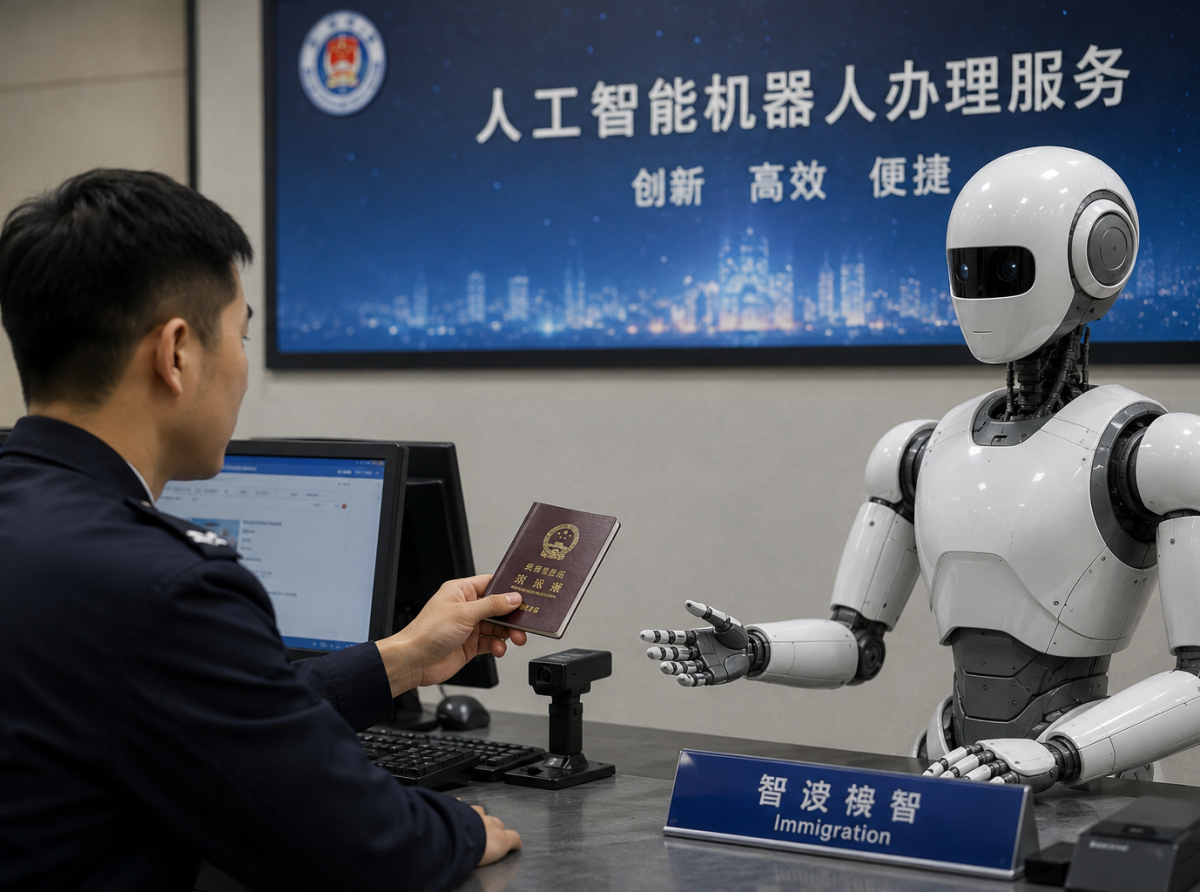
Every Humanoid Gets a Passport: China Implements Rules for AI-Powered Robots
Why Humanoids Need Regulation
As humanoid robots powered by artificial intelligence (AI) become more advanced and widespread, governments worldwide are grappling with how to regulate this rapidly evolving technology. In a groundbreaking move, China has decided to treat humanoid robots with the same level of scrutiny as complex industrial machinery. The country is launching a digital identification system to track every bipedal robot throughout its lifecycle, ensuring accountability at every stage—from production to disposal.This initiative reflects China's proactive approach to managing technological advancements while addressing potential risks associated with the proliferation of intelligent machines. But what does this mean for the future of robotics regulation? And why is such a system necessary?
The Birth of the Humanoid Full Lifecycle Management Service Platform
Dubbed the Humanoid Full Lifecycle Management Service Platform, this national initiative aims to assign a unique digital identifier to every humanoid robot manufactured in China. According to CCTV, the state broadcaster, these identifiers will serve as the foundation for tracking each machine’s journey through production, sales, operation, maintenance, and recycling.The platform is overseen by the Humanoid Robotics and Embodied Intelligence Standardization Committee under China's Ministry of Industry and Information Technology (MIIT). By implementing a unified system, authorities hope to streamline oversight, quickly identify problematic batches, mitigate risks, and establish clear guidelines for an industry that is outpacing traditional regulatory frameworks.
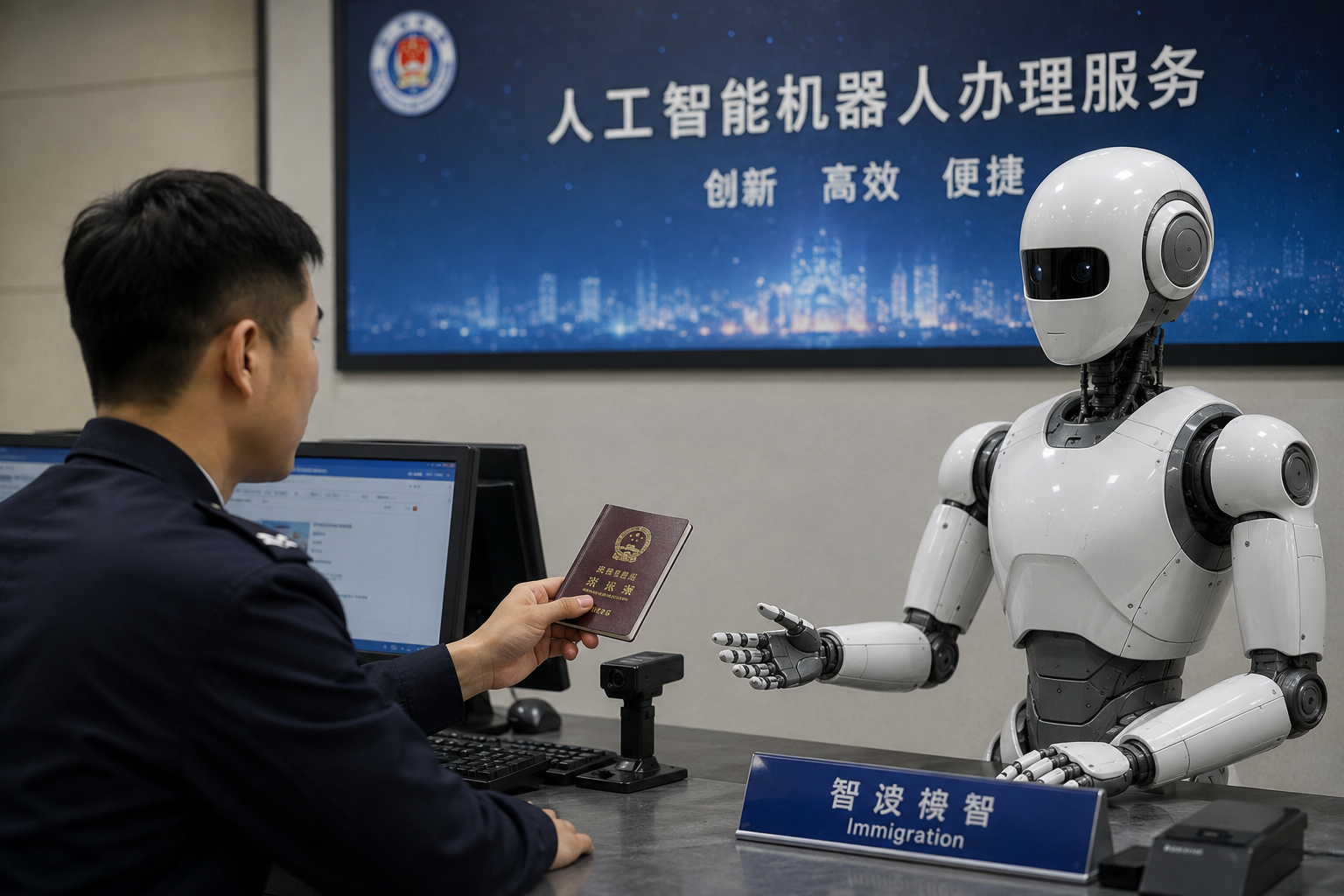
Every Humanoid Gets a Passport: China Implements Rules for AI-Powered Robots
Alongside the launch of the platform, China has released comprehensive guidelines outlining how stakeholders should handle digital identifiers and manage data related to humanoid robots. These documents specify the responsibilities of manufacturers, service providers, retailers, users, and recyclers—essentially covering the entire supply chain.
Yu Xumin, Deputy Director of the China Electronics Standardization Institute, emphasized that the new requirements apply to all participants in the industry. This includes not only companies involved in manufacturing and selling but also those responsible for maintaining and eventually decommissioning humanoid robots.
For example:
Manufacturers must embed unique codes into their products during assembly.
Service Companies need to update records when performing repairs or upgrades.
Users are required to register their robots upon purchase.
Recyclers must ensure proper disposal and report end-of-life activities.
By creating a transparent framework, China seeks to address concerns about safety, liability, and environmental impact—all critical issues as humanoid robots transition from labs to real-world applications.
Yu Xumin, Deputy Director of the China Electronics Standardization Institute, emphasized that the new requirements apply to all participants in the industry. This includes not only companies involved in manufacturing and selling but also those responsible for maintaining and eventually decommissioning humanoid robots.
For example:
Manufacturers must embed unique codes into their products during assembly.
Service Companies need to update records when performing repairs or upgrades.
Users are required to register their robots upon purchase.
Recyclers must ensure proper disposal and report end-of-life activities.
By creating a transparent framework, China seeks to address concerns about safety, liability, and environmental impact—all critical issues as humanoid robots transition from labs to real-world applications.
Why Regulation Matters Now
The rapid commercialization of humanoid robots has raised several pressing questions:Who is responsible if a robot causes harm?
How can we prevent misuse of AI-powered machines?
What happens to outdated or defective units?
These uncertainties underscore the importance of establishing standardized rules before the market becomes too fragmented or chaotic. For China, which is already a global leader in robotics and AI development, introducing a centralized system positions the country as a pioneer in regulatory innovation.
Moreover, the initiative aligns with broader efforts to enhance cybersecurity and data privacy. With humanoid robots increasingly integrated into daily life—from healthcare to customer service—the risk of malicious exploitation grows. A robust identification system ensures that every device can be traced back to its source, deterring illegal activities and fostering public trust.
To understand the significance of China’s decision, consider Japan’s experience with humanoid robots. In 2024, a malfunctioning robot caused minor injuries at a Tokyo hospital, sparking debates about accountability and oversight. While no serious harm occurred, the incident highlighted gaps in existing regulations. Japanese regulators later introduced stricter testing protocols and mandatory registration for advanced robots—a step China appears determined to take preemptively.
China’s approach goes further by incorporating lifecycle management and cross-sector collaboration. If successful, it could serve as a model for other nations navigating similar challenges.
Beyond Control: Setting Global Standards
While some critics may view the digital ID system as another layer of government control, its benefits extend beyond mere surveillance. For one, it promotes transparency and accountability across the industry. Manufacturers are incentivized to adhere to high-quality standards, knowing that any defects will be easily traceable. Users gain peace of mind, knowing that their robots meet rigorous safety criteria.Additionally, the initiative positions China as a standard-setter in the burgeoning field of embodied AI. As humanoid robots gain popularity globally, having a well-defined regulatory framework gives Chinese companies a competitive edge. It also encourages international cooperation, as other countries look to adopt similar systems.
China’s decision to implement a digital ID system for humanoid robots marks a pivotal moment in the evolution of AI governance. As these machines become more autonomous and ubiquitous, the need for clear rules becomes undeniable. Whether it’s ensuring ethical use, preventing accidents, or managing environmental impacts, regulation plays a crucial role in shaping the future of human-robot interaction.
Service Platform will depend on how effectively it balances innovation with oversight. If executed properly, it could pave the way for safer, more reliable humanoid robots—not just in China but around the world.
China’s bold step toward regulating humanoid robots demonstrates the country’s commitment to fostering technological progress while safeguarding societal interests. By assigning digital passports to AI-powered machines, authorities aim to create a transparent, accountable ecosystem where innovation thrives within defined boundaries. As the rest of the world watches closely, one thing is certain: the era of unregulated humanoid robots is coming to an end.
For now, China leads the charge, proving that even the most futuristic technologies require grounded, practical solutions.
Service Platform will depend on how effectively it balances innovation with oversight. If executed properly, it could pave the way for safer, more reliable humanoid robots—not just in China but around the world.
China’s bold step toward regulating humanoid robots demonstrates the country’s commitment to fostering technological progress while safeguarding societal interests. By assigning digital passports to AI-powered machines, authorities aim to create a transparent, accountable ecosystem where innovation thrives within defined boundaries. As the rest of the world watches closely, one thing is certain: the era of unregulated humanoid robots is coming to an end.
For now, China leads the charge, proving that even the most futuristic technologies require grounded, practical solutions.
By Claire Whitmore
June 01, 2026
Join us. Our Telegram: @forexturnkey
All to the point, no ads. A channel that doesn't tire you out, but pumps you up.
June 01, 2026
Join us. Our Telegram: @forexturnkey
All to the point, no ads. A channel that doesn't tire you out, but pumps you up.





Report
My comments