




Nvidia RTX Spark: The AI Superchip That Could Reshape the PC Industry
Nvidia RTX Spark: The AI Superchip That Could Reshape the PC Industry
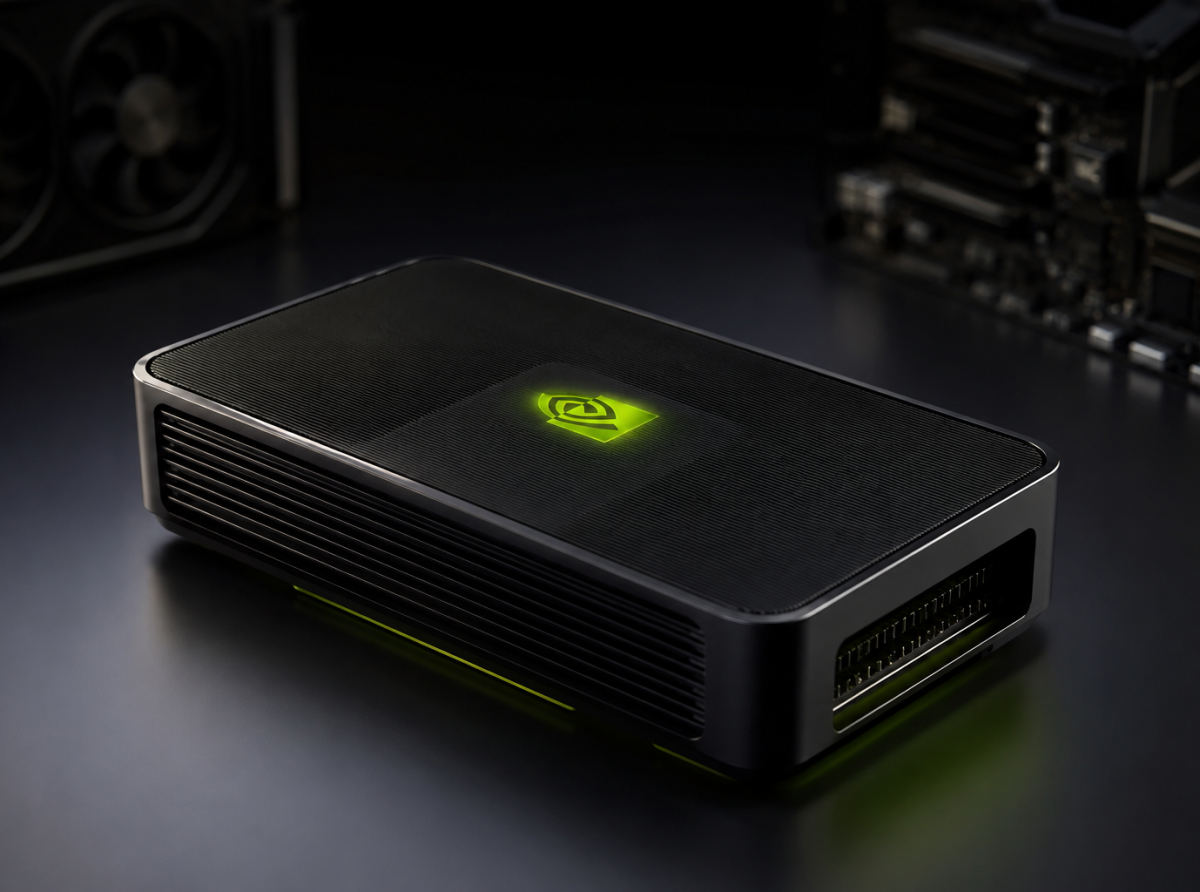
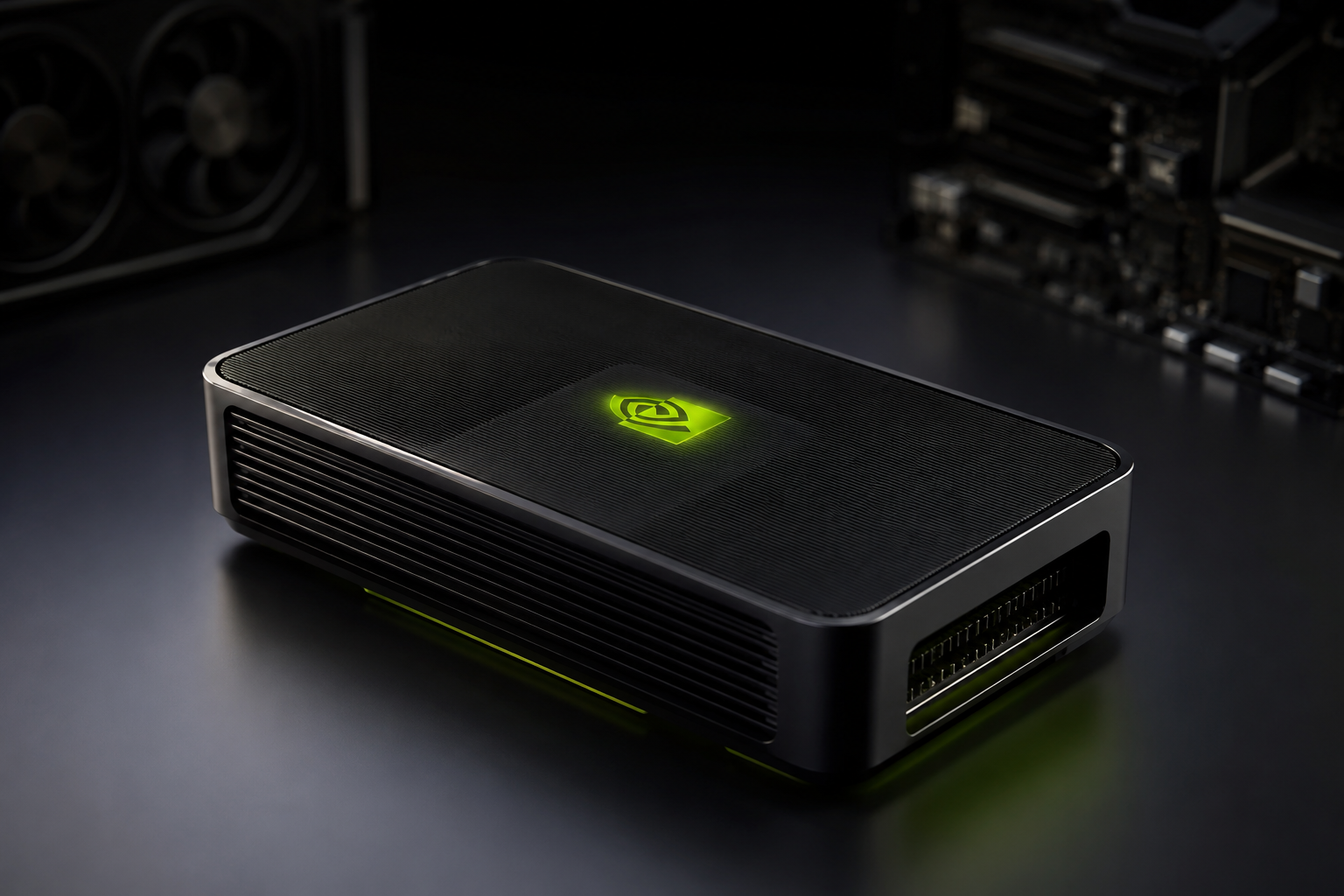
At Computex 2026, Nvidia unveiled RTX Spark, its first AI-focused PC superchip built around the new N1X Arm processor architecture. Developed in partnership with Microsoft, the platform is designed to run advanced AI applications and AI agents locally on Windows devices without relying on cloud infrastructure.
The announcement marks Nvidia’s most ambitious move into personal computing and positions the company in direct competition with Apple Silicon and Intel processors. More importantly, RTX Spark reflects a broader industry shift toward AI-first computing, where local inference, unified memory, and dedicated neural processing become as important as traditional CPU performance.
The announcement marks Nvidia’s most ambitious move into personal computing and positions the company in direct competition with Apple Silicon and Intel processors. More importantly, RTX Spark reflects a broader industry shift toward AI-first computing, where local inference, unified memory, and dedicated neural processing become as important as traditional CPU performance.
Nvidia's Biggest Move Into Consumer Computing
For years, Nvidia dominated AI infrastructure through GPUs powering cloud data centers and large language models.Now the company is attempting something much larger.
Instead of supplying components to PC manufacturers, Nvidia is introducing a complete computing platform designed around artificial intelligence from the ground up.
RTX Spark is built on Arm architecture rather than the traditional x86 ecosystem that has dominated personal computers for decades.
This strategic decision mirrors the approach that transformed Apple's Mac lineup after the introduction of the M-series chips.
According to Nvidia CEO Jensen Huang, RTX Spark represents the most efficient PC chip the company has ever developed and forms the foundation for a new generation of AI-native computers.
The significance extends beyond hardware.
Nvidia is attempting to redefine what a PC actually does in an era increasingly shaped by generative AI and autonomous software agents.
Why Local AI Matters More Than Ever
Most AI applications today rely heavily on cloud infrastructure.Users send requests to remote servers, where large models process information before returning results. While effective, this approach creates challenges involving latency, privacy, bandwidth costs, and scalability.
RTX Spark is designed to address those limitations.
By combining Arm-based processing with Nvidia graphics acceleration and native CUDA support, the platform enables AI workloads to run directly on the device.
This includes:
AI assistants
Autonomous agents
Generative design tools
Local language models
Real-time content creation
AI-powered productivity software
The ability to execute these tasks locally may become a major competitive advantage.
“AI-capable PC shipments forecast growth: +42% year-over-year (2026, IDC global estimate).”
As enterprises increasingly deploy AI tools internally, local execution reduces dependence on external cloud providers while improving data security and response times.
This is an area where Nvidia believes existing Windows-on-Arm systems still face limitations.
Nvidia RTX Spark: The AI Superchip That Could Reshape the PC Industry
RTX Spark vs Apple Silicon and Intel
The launch immediately positions Nvidia against two dominant players in personal computing.Apple transformed the laptop industry through its M-series processors, while Intel continues to control much of the traditional PC ecosystem.
Nvidia’s strategy differs from both.
Rather than focusing primarily on battery life or raw CPU performance, RTX Spark emphasizes AI acceleration as the central computing workload of the future.
| Feature | Nvidia RTX Spark | Apple M-Series | Intel Core Ultra |
|---|---|---|---|
| Architecture | Arm-based N1X | Arm-based Apple Silicon | x86 |
| AI Focus | AI-first platform | Integrated AI features | Hybrid AI acceleration |
| CUDA Support | Native | No | No |
| Local AI Agents | Core feature | Limited ecosystem support | Emerging support |
|
Unified Memory
|
Yes
|
Yes
|
Partial implementation
|
|
Windows Integration
|
Deep Microsoft partnership
|
macOS only
|
Native Windows
|
|
Target Market
|
AI-native PCs
|
Premium consumer devices
|
Broad PC ecosystem
|
The most notable distinction is Nvidia’s CUDA ecosystem.
CUDA remains one of the most widely adopted software environments for AI development. Bringing native CUDA capabilities to consumer PCs could significantly simplify workflows for developers, researchers, and enterprises already using Nvidia infrastructure.
Microsoft’s Role in the RTX Spark Ecosystem
The partnership with Microsoft may be just as important as the hardware itself.RTX Spark is not merely another processor launch. It arrives alongside planned Windows enhancements specifically designed to support local AI execution.
Microsoft is expected to introduce several Spark-focused capabilities, including:
AI agents integrated into the taskbar
Improved Prism compatibility performance
Dynamic cooling and power optimization
Advanced unified memory management
Enhanced TensorRT integration
These changes suggest Windows is evolving toward a more AI-centric operating system architecture.
Historically, operating systems were optimized around applications. Increasingly, they are being redesigned around intelligent agents capable of performing tasks autonomously on behalf of users.
That shift could fundamentally alter how consumers interact with PCs over the next decade.
The First Wave of RTX Spark Devices
Hardware partners are already preparing systems based on the new platform.Expected launches during autumn 2026 include devices from major manufacturers such as:
Microsoft Surface Laptop Ultra
Dell XPS 16
ASUS ProArt P14 and P16
HP Omnibook Ultra 16
Lenovo Yoga Pro 9n
MSI Prestige N16 Flip AI
These products target premium users, creators, developers, and professionals who increasingly rely on AI-enhanced workflows.
Unlike previous generations of AI PCs that primarily added neural processing units, RTX Spark places AI acceleration at the center of the computing experience.
That distinction could determine whether AI PCs remain a niche category or become the dominant segment of the laptop market.
Why RTX Spark Could Change the Future of PCs
The broader significance of RTX Spark lies in what it reveals about the future direction of computing.For decades, the industry competed around faster processors, higher clock speeds, and graphics performance.
The next era appears increasingly focused on intelligence rather than computation alone.
Nvidia’s data-center success demonstrated that AI workloads require specialized infrastructure. RTX Spark represents an effort to bring that philosophy into personal computing.
If successful, the platform could accelerate several trends simultaneously:
Growth of AI-native software
Expansion of local inference computing
Reduced cloud dependency
Wider adoption of Arm architecture
Increased competition in the Windows ecosystem
The launch also signals Nvidia’s ambition to evolve from an AI infrastructure provider into a complete computing platform company.
After dominating AI servers with systems such as GB200 and Rubin, the company is now targeting hundreds of millions of personal computers worldwide.
RTX Spark may become one of Nvidia’s most important product launches outside the data center market. By combining Arm architecture, CUDA acceleration, local AI execution, and deep Windows integration, the platform challenges both Apple Silicon and Intel while introducing a new vision of AI-first personal computing.
As artificial intelligence becomes embedded into everyday workflows, the companies that control local AI infrastructure may gain a significant advantage. Nvidia is betting that the future PC will not simply run software—it will actively think, assist, and automate tasks on behalf of its user.
As artificial intelligence becomes embedded into everyday workflows, the companies that control local AI infrastructure may gain a significant advantage. Nvidia is betting that the future PC will not simply run software—it will actively think, assist, and automate tasks on behalf of its user.
Written by Ethan Blake
Independent researcher, fintech consultant, and market analyst.
June 01, 2026
Join us. Our Telegram: @forexturnkey
All to the point, no ads. A channel that doesn't tire you out, but pumps you up.
Independent researcher, fintech consultant, and market analyst.
June 01, 2026
Join us. Our Telegram: @forexturnkey
All to the point, no ads. A channel that doesn't tire you out, but pumps you up.




Report
My comments